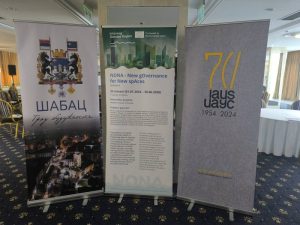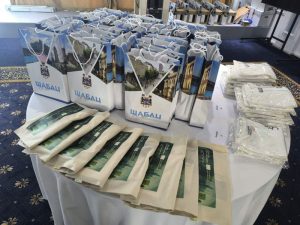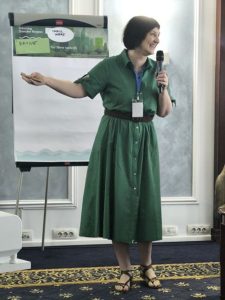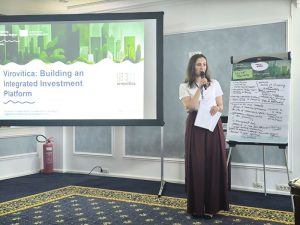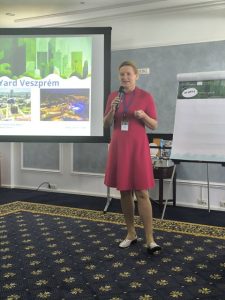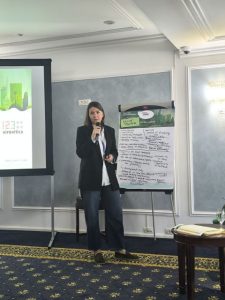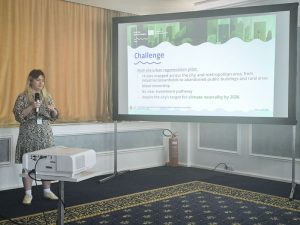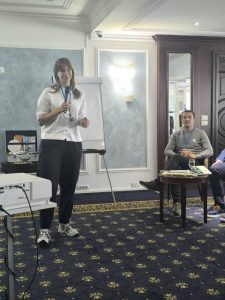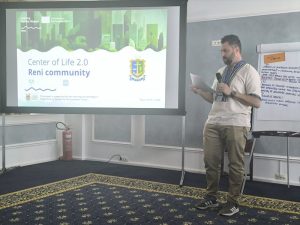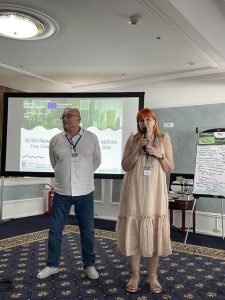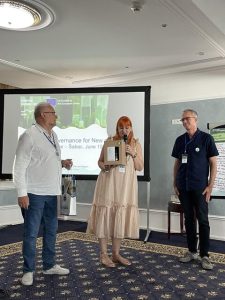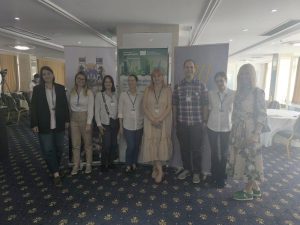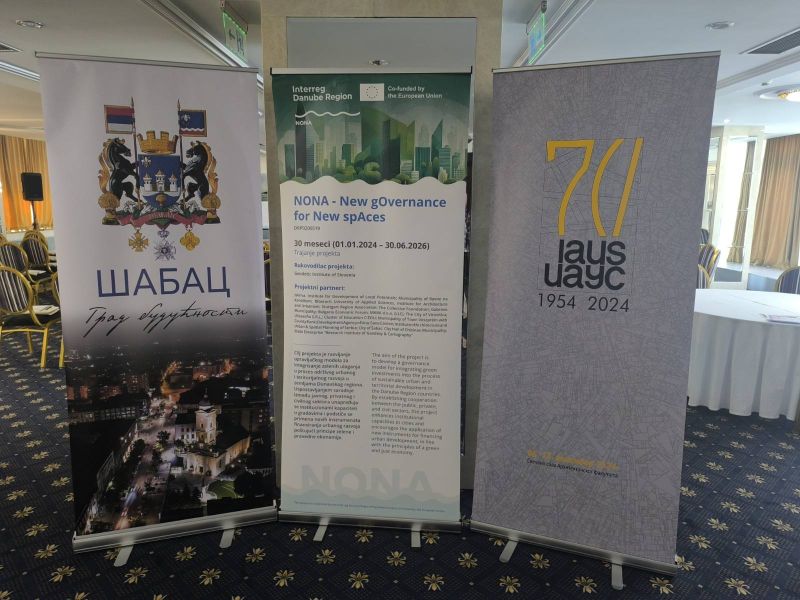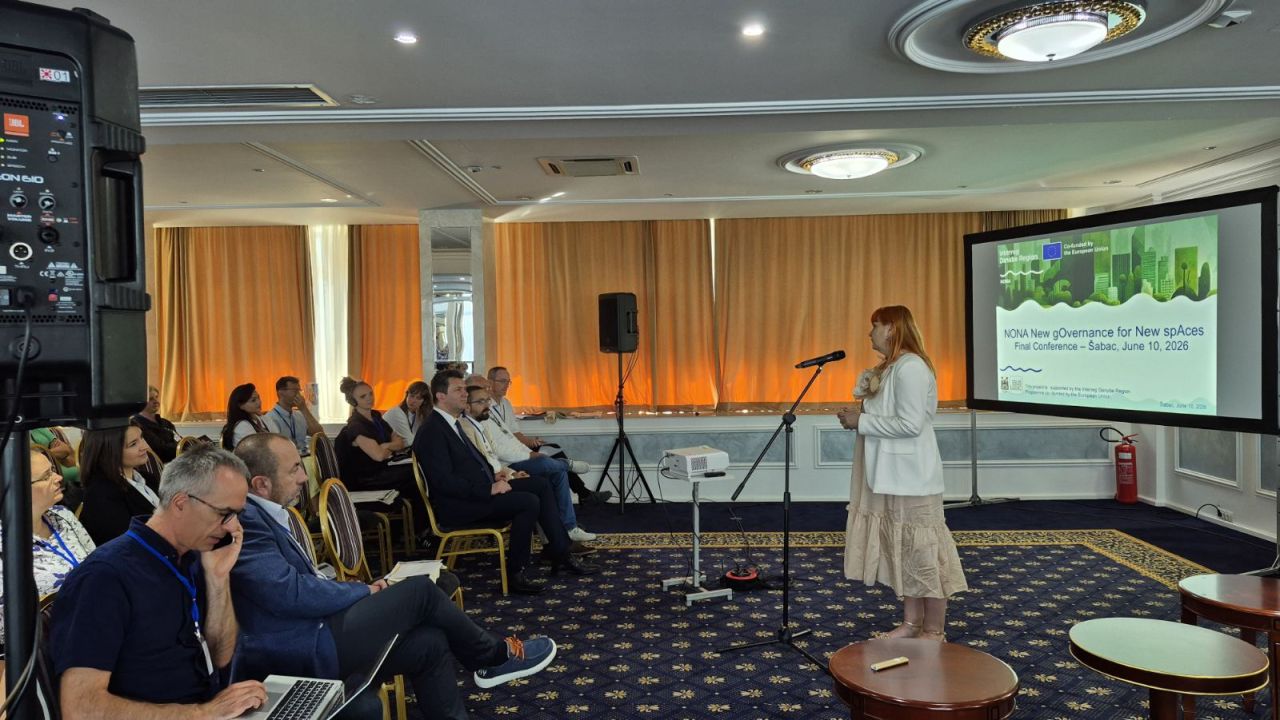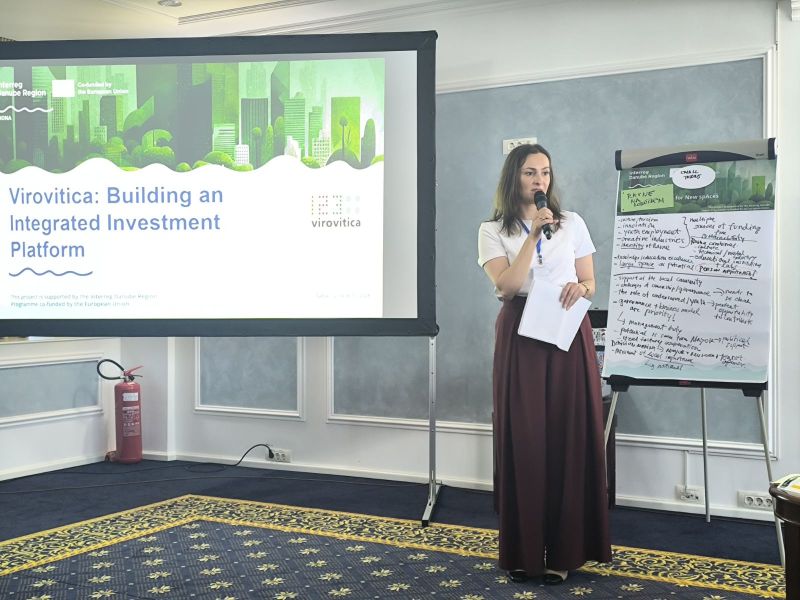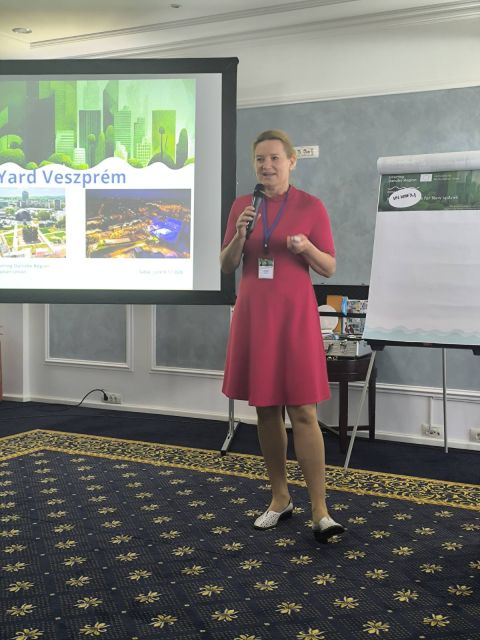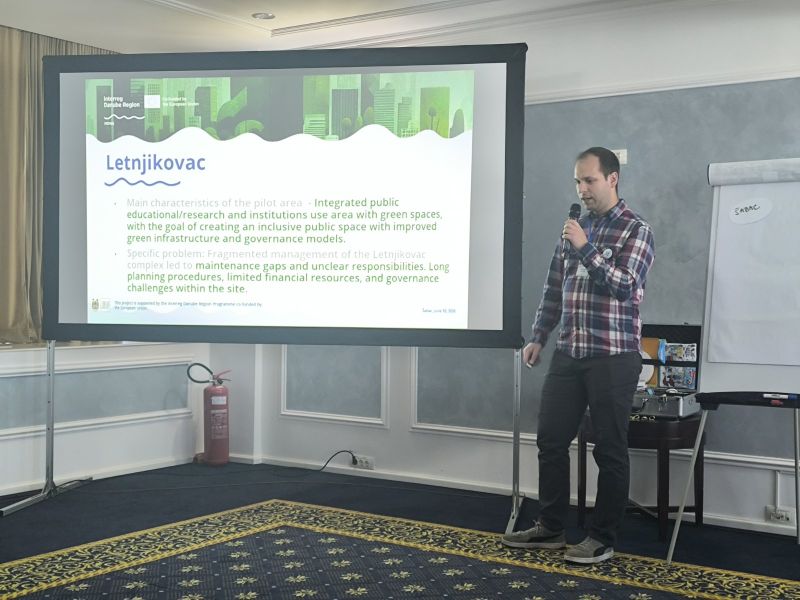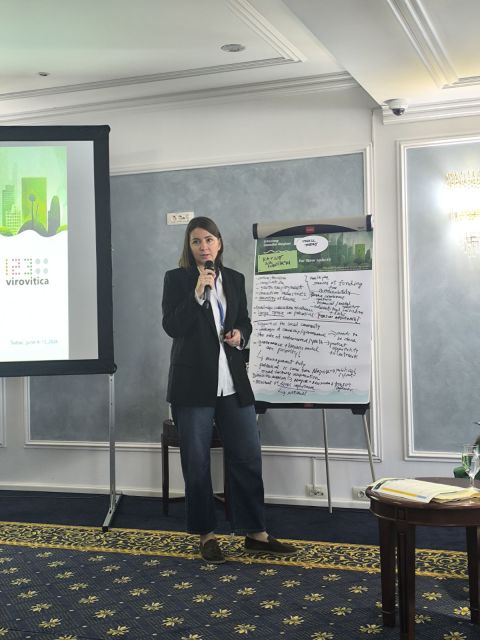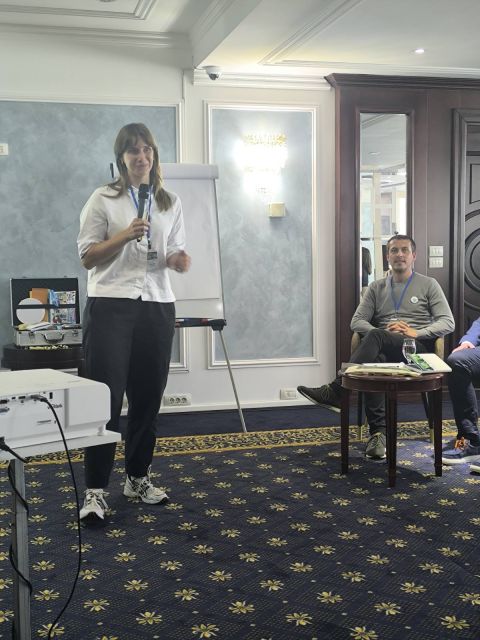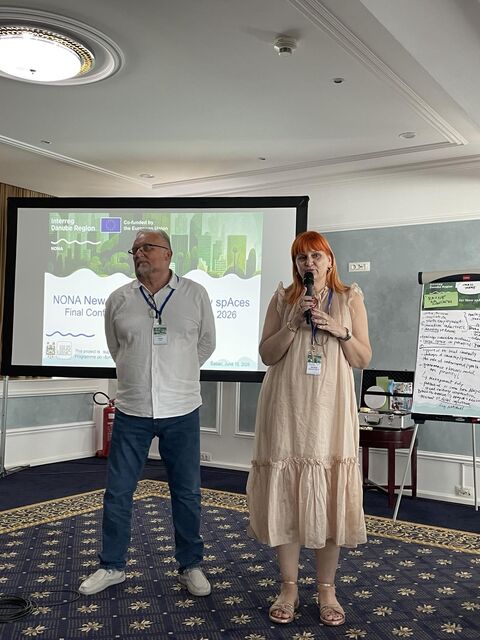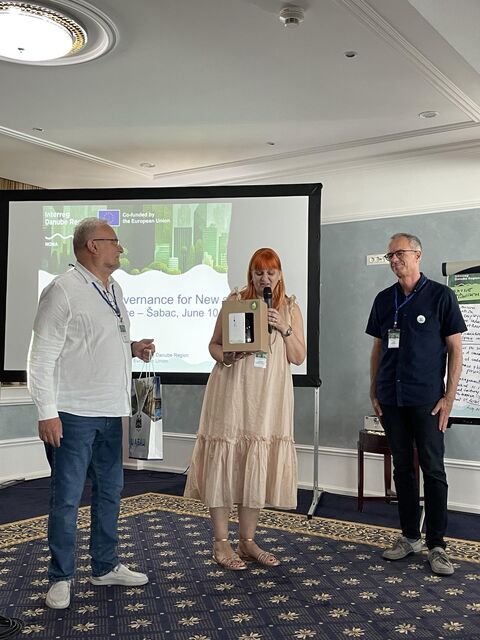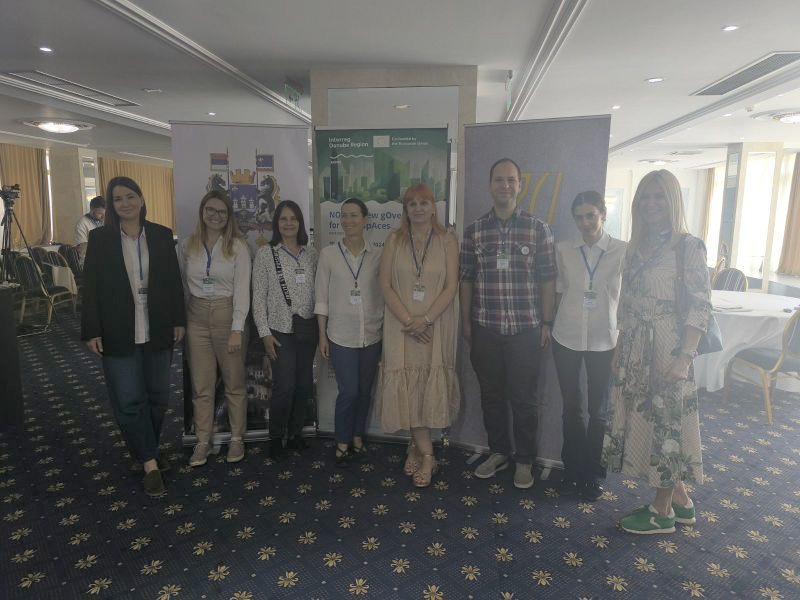
The final international meeting of the NONA – New Governance for New Spaces project was held in Šabac, bringing together project partners, international experts, and representatives of local and regional authorities to reflect on project achievements and discuss future opportunities for strengthening green investments in urban regeneration and territorial development.
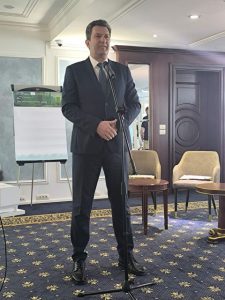
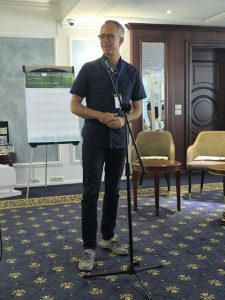
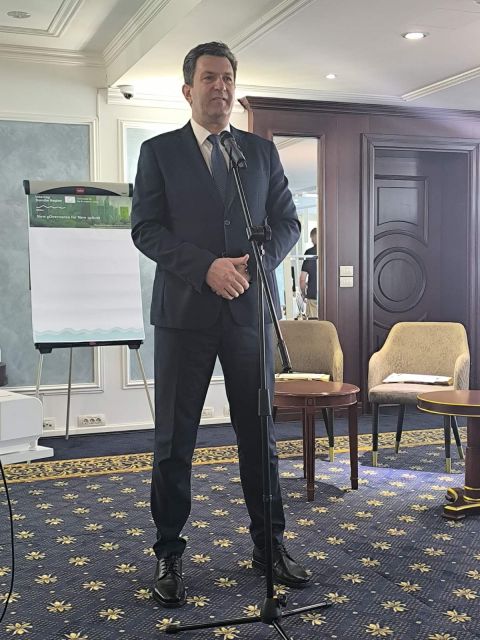
The event was officially opened by the Mayor of Šabac, Aleksandar Pajić, who highlighted the importance of international cooperation, knowledge exchange, and innovative governance approaches in supporting sustainable local development and strengthening the capacity of cities to address future development challenges.
Implemented within the Interreg Danube Region Programme and co-funded by the European Union, NONA has developed a governance model that integrates urban development planning, participatory governance, and investment planning to transform degraded areas into investment-ready development opportunities. A particular focus of the project has been on strengthening cooperation between public authorities, civil society organisations, and the private sector in preparing and implementing green investments.
Over the past two and a half years, project partners have tested a common methodology across different territorial contexts, contributing to the development of the NONA Green Investment Model. The final meeting provided an opportunity to present and discuss pilot experiences, investment priorities, development potentials, and governance approaches applied throughout the project.
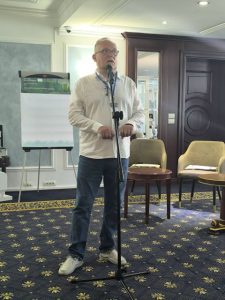
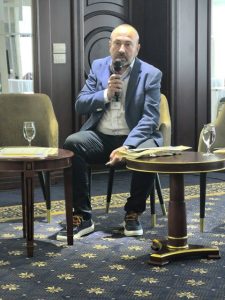
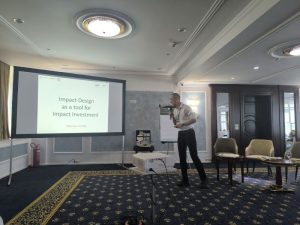
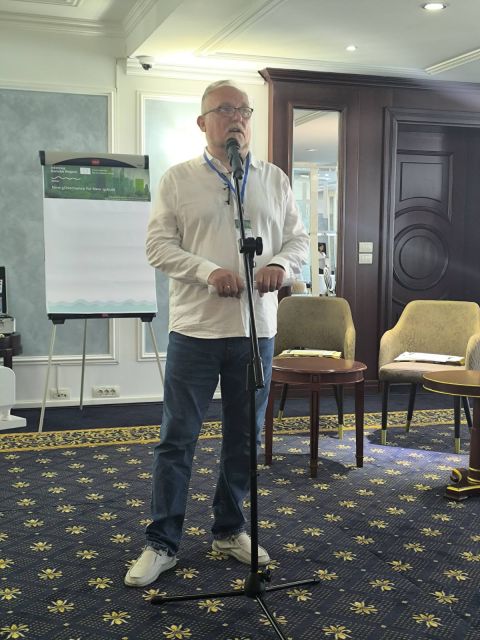
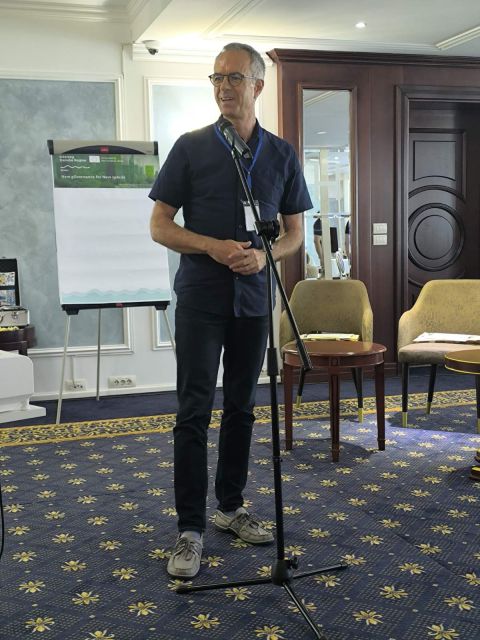
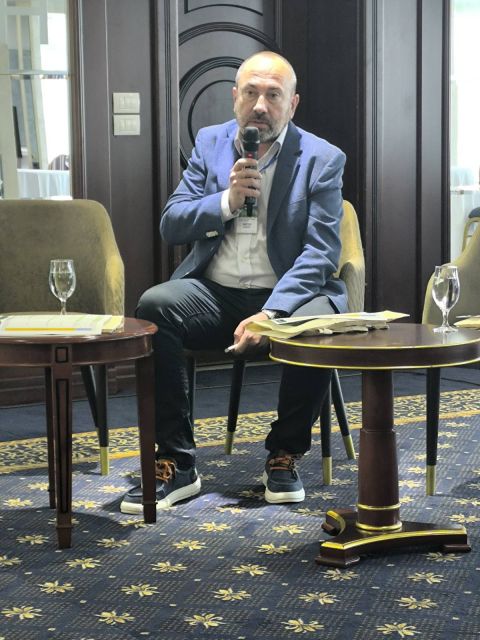
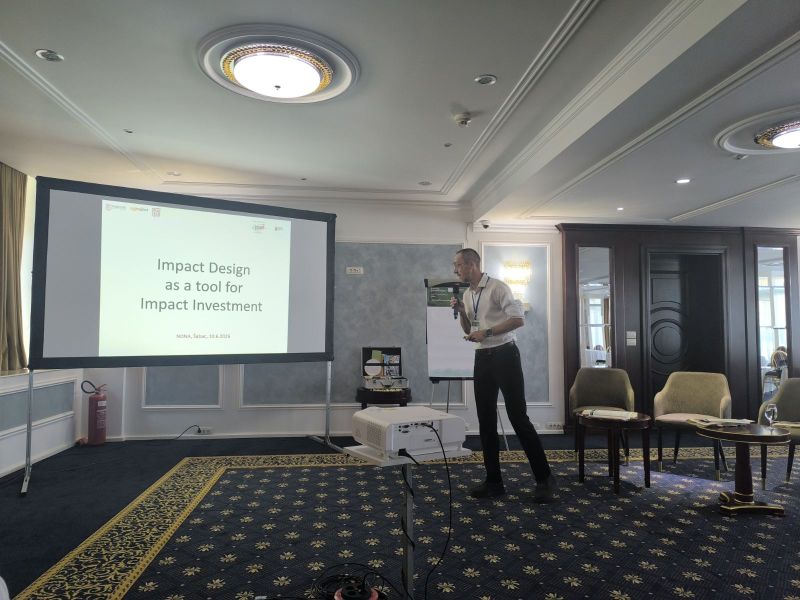
An important contribution to the programme was provided by international experts Viktor Veljović (UNOPS) and Primož Šporar (FUND 2740), who shared insights on territorial governance as a basis for investment package development and on impact investment approaches as instruments for supporting sustainable local development. Their expert evaluations further enriched discussions on the future potential of the initiatives presented by project partners.
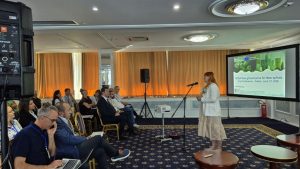
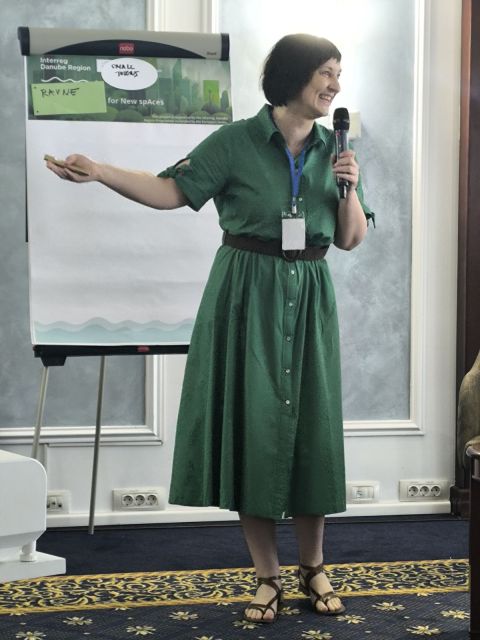
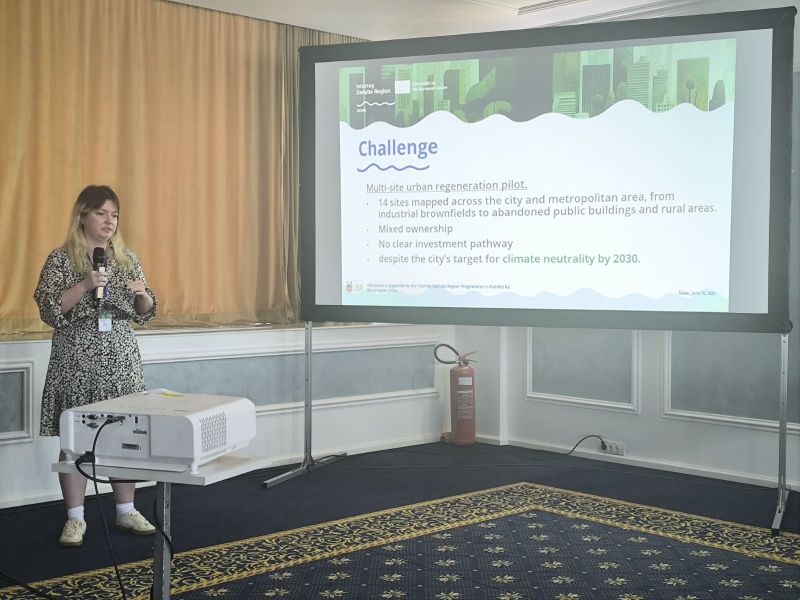
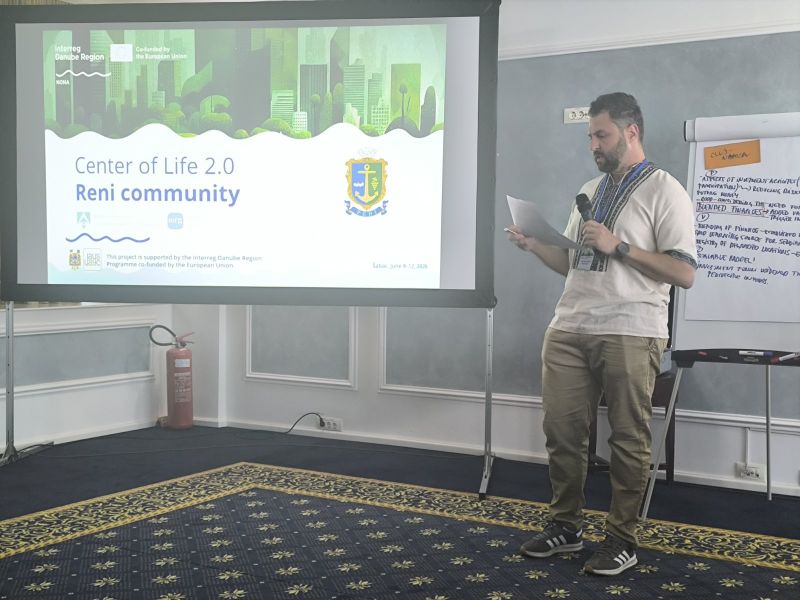
A central part of the programme was dedicated to the presentation of pilot experiences from project partner territories across the Danube Region. Through three thematic sessions focused on small cities, mid-sized cities, and urban-rural functional areas, partners presented development challenges, investment priorities, and governance mechanisms tested within their pilot areas.
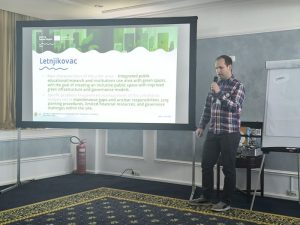
Among the pilot experiences presented during the meeting was the Letnjikovac pilot site in Šabac, jointly presented by representatives of the Institute of Architecture and Urban & Spatial Planning of Serbia (IAUS) and the City Administration of Šabac. The pilot demonstrated how participatory governance, stakeholder engagement, Local Action Groups, and local partnerships can support the development of investment-ready initiatives for the regeneration of degraded urban areas.
As the project approaches its completion, the meeting in Šabac marked an important milestone in the dissemination of project results and the discussion of their future application across the Danube Region. The event also confirmed the importance of integrating governance innovation, stakeholder participation, and investment planning as complementary components of sustainable territorial development.
We sincerely thank all project partners, experts, stakeholders, members of Local Action Groups, representatives of public institutions, civil society organisations, and local communities whose knowledge, commitment, and cooperation made this project possible.