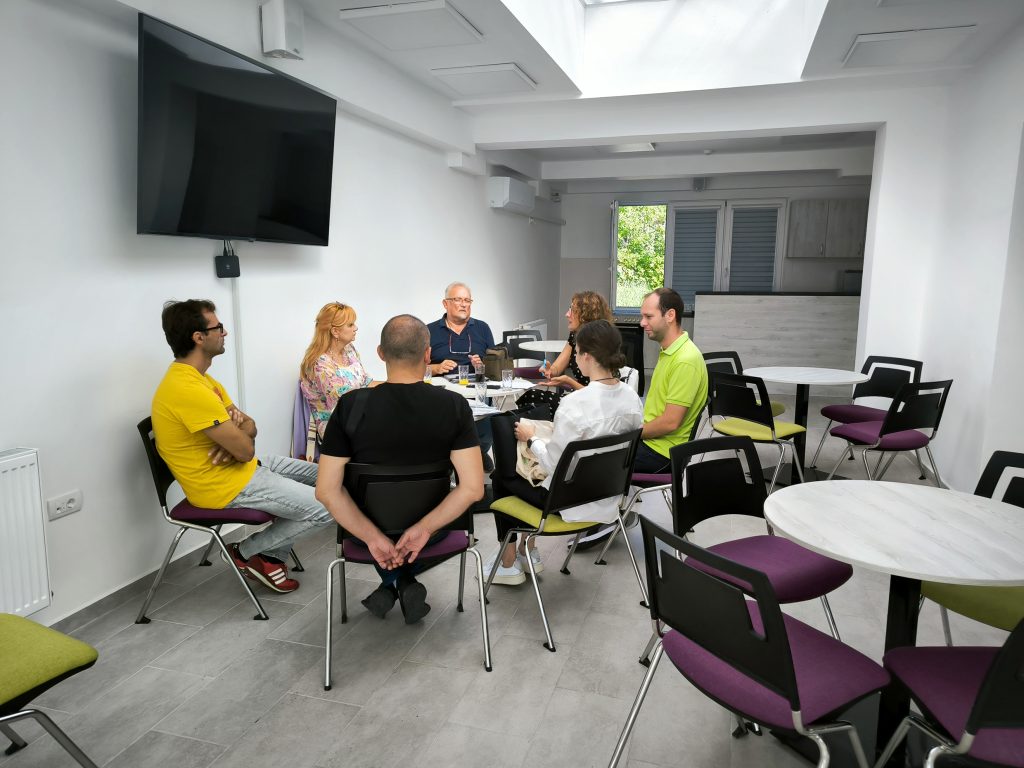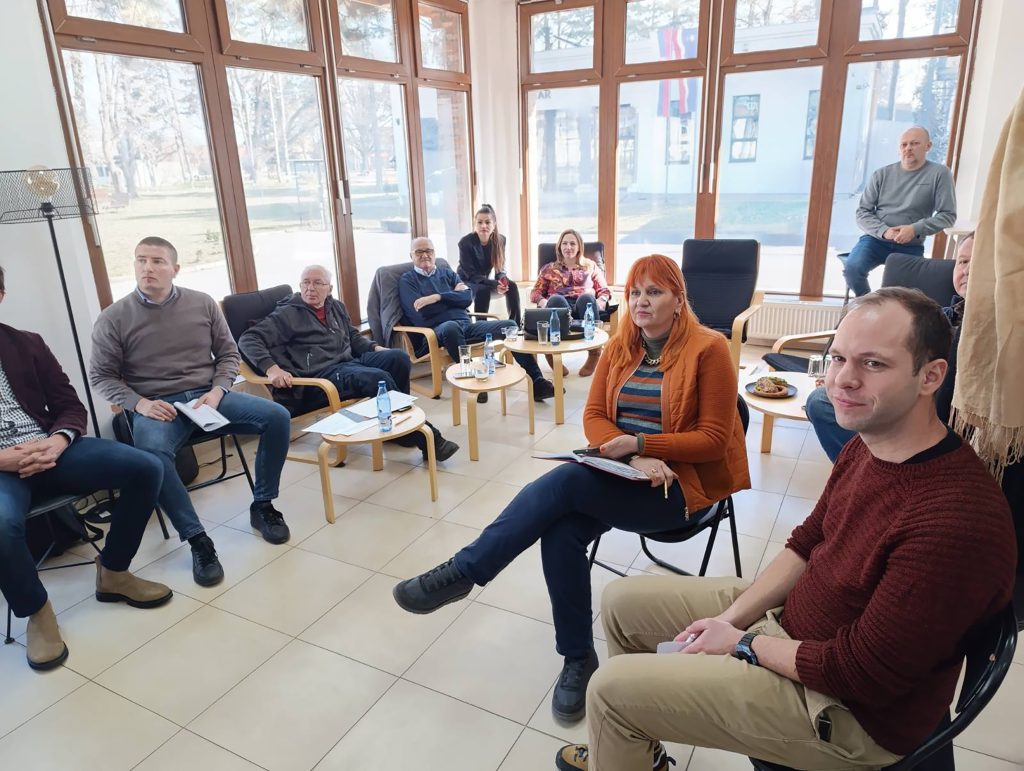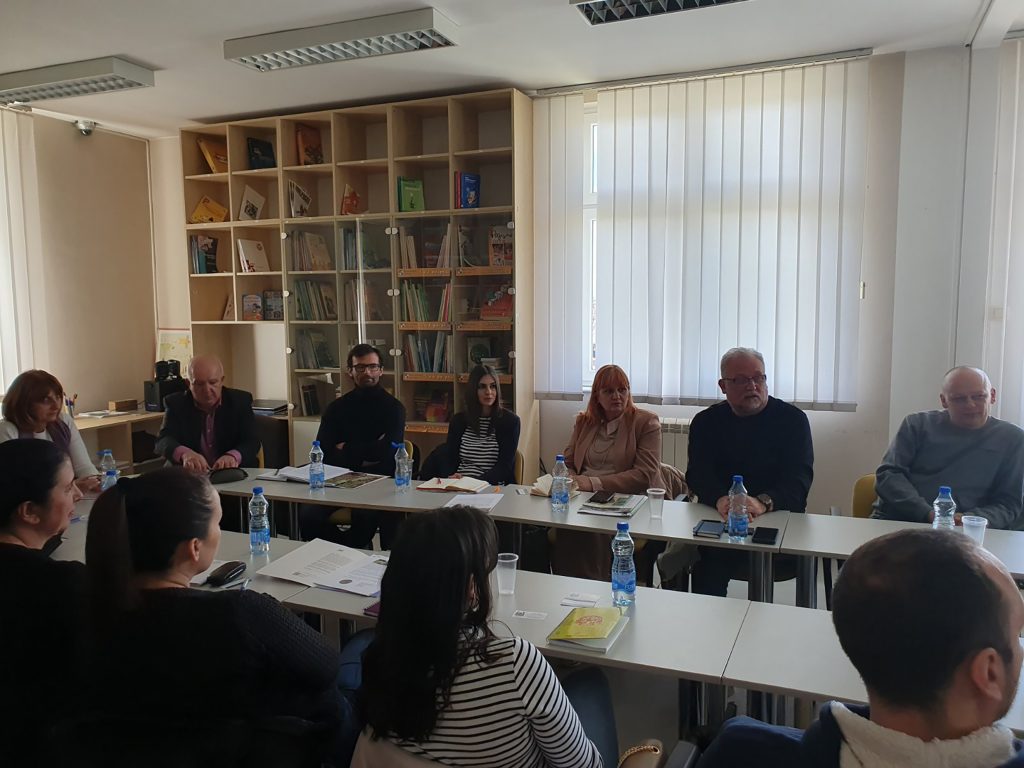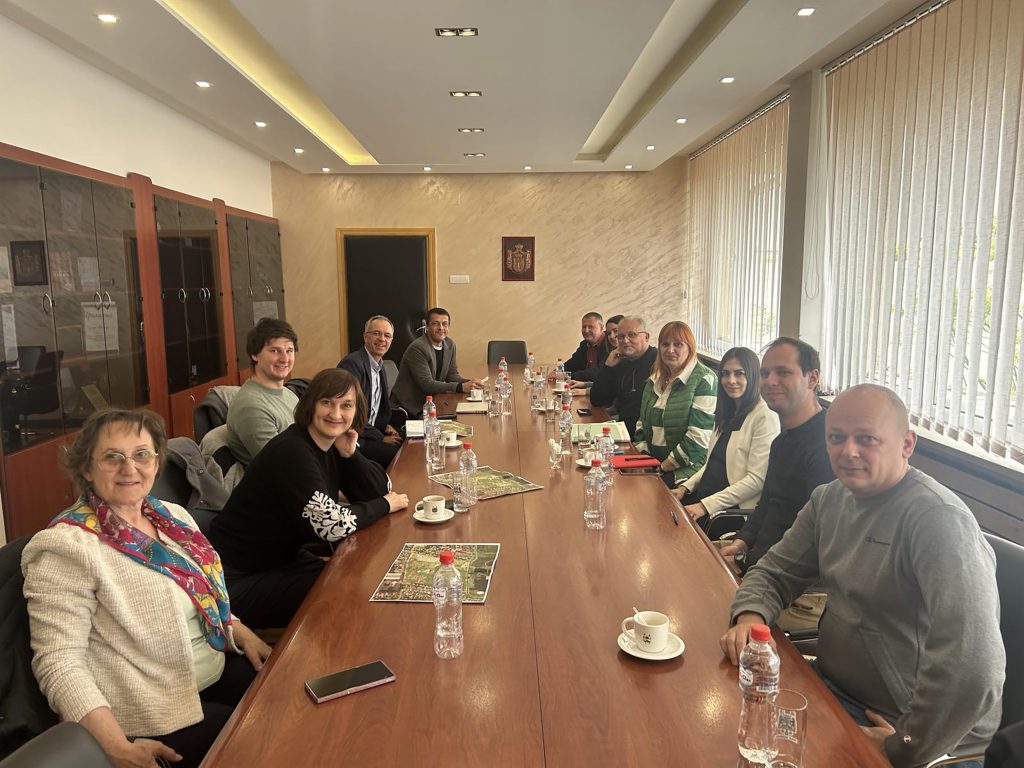
Meet the Pilot | Pilot ID | name, location, spatial presentation of the DAs with the relevant data, type of the project, ownership, objective
Name: Letnjikovac pilot site, Šabac, Serbia | Location: Letnjikovac urban park, City of Šabac, Republic of Serbia | Type of the Project: Urban regeneration pilot focused on participatory governance, intersectoral coordination, and development of green investment pathways within the NONA project framework | Ownership: Publicly owned urban green area under the jurisdiction of the City Administration of Šabac | Objective: To develop and test a replicable model of participatory, multi-level urban governance that integrates community engagement, co-creation activities, and data-supported decision-making in order to support future green investments and sustainable transformation of the Letnjikovac area | Abstract: The Letnjikovac pilot site represents a structured urban development initiative designed to examine how participatory methods, stakeholder coordination, and adaptive governance can advance sustainable transformation in a mid-sized Serbian city. Led jointly by the Institute of Architecture and Urban & Spatial Planning of Serbia (IAUS) and the City Administration of Šabac, the pilot integrates methodological groundwork, comprehensive stakeholder mapping, establishment of a Local Action Group constituted of local stakeholders – representatives of educational, scientific and development institutions, and iterative co-creation activities with citizens, institutions, and civil society actors. To identify the development pathways for Letnjikovac, the process combines online and on-site surveys, the development of a GIS platform for evidence-based decision-making, and creative participatory formats aligned with New European Bauhaus (NEB) values. In parallel, the team initiated the formation of statutory planning documentation, built cross-sectoral partnerships, and identified donor and investment opportunities for future green interventions. Overall, the pilot demonstrates how participatory processes, analytical tools, and investment-oriented actions can evolve cohesively to strengthen local capacities, foster intergenerational cooperation, and lay the groundwork for a future Green Investment Package for Letnjikovac.
The Local Context | challenges & opportunities, local context
The Letnjikovac pilot site faces a combination of spatial, organisational, and governance challenges that slow down its long-term development. Despite its cultural value and ecological potential, the principal limitation is the absence of a unified understanding of interventions, sources of finance and accompanying maintenance for the area as whole. Management responsibilities related to maintenance (cleaning, greenery, and overall care of the complex) fall within the fragmented remit of individual on-site institutions, resulting in uncoordinated interventions and inconsistent upkeep. Stakeholder feedback has also highlighted several safety concerns. Although the site demonstrates strong potential for educational, ecological, and recreational programming, this capacity remains underutilised due to the lack of a broader programmatic framework and corresponding financial mechanisms.
The Turning Point |idea, vision, solution, concept, innovation
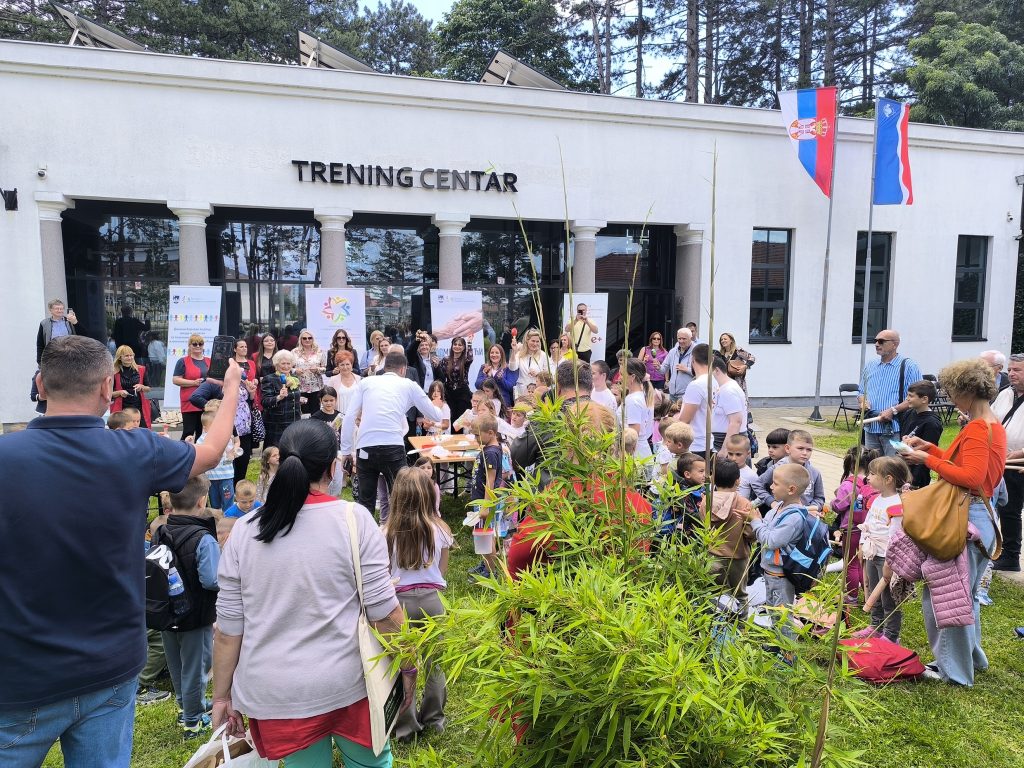
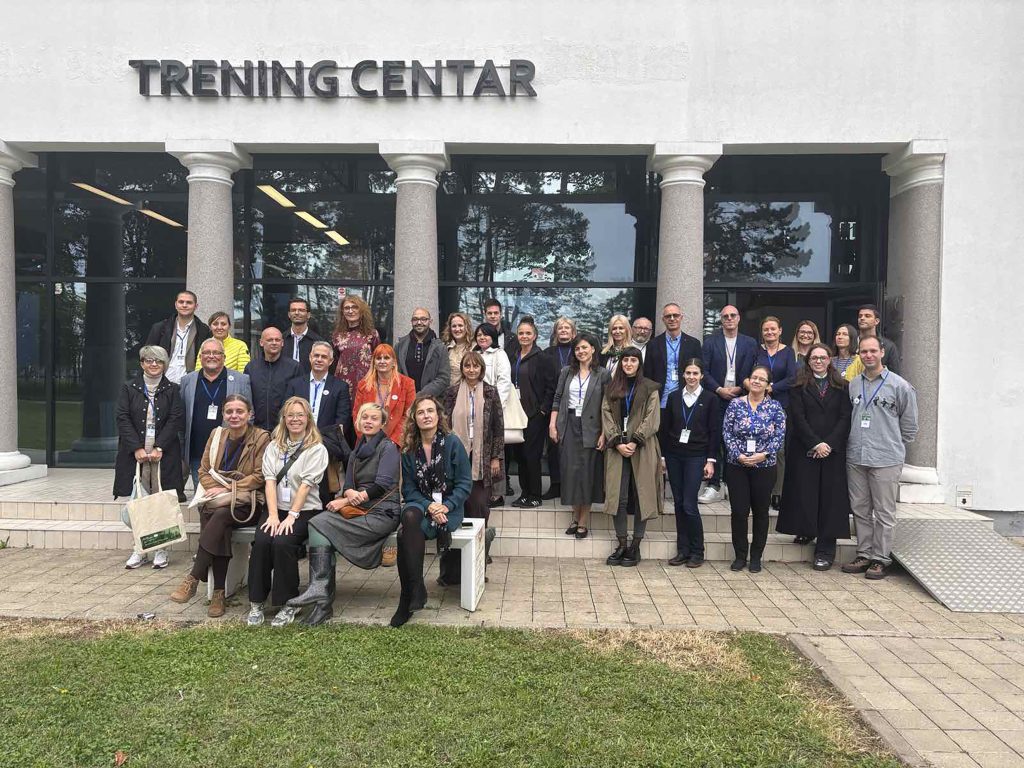
The turning point at the Letnjikovac pilot site emerged when fragmented local initiatives, limited resources, and unclear investment pathways were reframed into a coherent set of development pathways at two instances during the participatory and governance model formation process: The first turning point was through participatory workshops and art and literary competition with children in Šabac (May 2025), focused on identifying spatial needs from the perspective of youth at the Letnjikovac site through an “urban experiment”. The second turning point involved collaboration with local authorities, professionals, international partners, and civil society representatives during the Regional Investment Forum (October 2025). These two governance initiatives integrated four key innovations: (1) a shared vision for spatial, social, and ecological improvement of Letnjikovac; (2) a structured participatory process based on a Local Action Group stakeholder work, workshops with local community, especially youth actors, surveys with wider group of citizens (3) the introduction of the GIS platform, to consolidate data and support transparent decision-making; and (4) the creation of a coordinated investment pathway linking local needs with green funding opportunities (sources of financing) as a result of the investment forum. Taken together, these innovations established Letnjikovac as a practical testing ground for demonstrating how governance approaches can steer sustainable urban transformation.
The Ecosystem of Actors | type of stakeholders involved
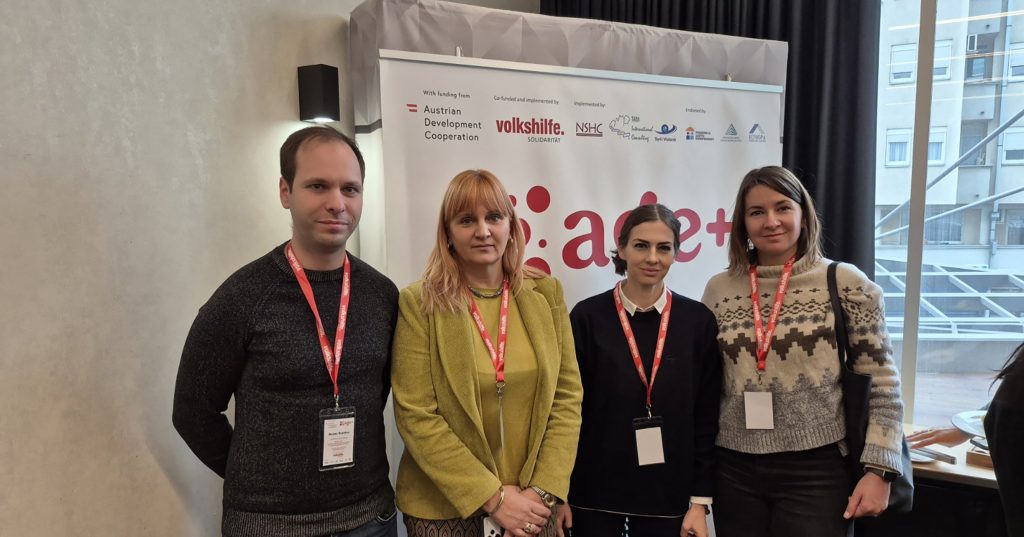
The Letnjikovac pilot brings together a wide range of stakeholders whose participation reflects the site’s social and institutional complexity. Central roles are held by the City Administration of Šabac, including the Department for Social Affairs, ensuring alignment with city priorities and integration of results into formal procedures. Educational and research institutions (Centre for Professional Development, preschool institution Naše dete, and Primary School Stojan Novaković) contribute through methodological support, participatory facilitation, and continuous knowledge exchange. Civil society organisations and community groups, including AGE+ partners, environmental associations, and the KidHub innovation platform, enhance intergenerational engagement, creative co-creation, and community outreach. Together, these actors form a coherent multi-level stakeholder framework crucial for the participatory and green-investment-oriented development of the Letnjikovac pilot site.
From Action to Impact |steps taken, outcomes, value added
The impact of the Letnjikovac pilot results from the interconnected steps that gradually strengthened stakeholder engagement in LAG and clarified priorities for future green investments. Early activities, including stakeholder mapping, surveys, and the establishment of communication channels, created a shared evidence base and improved transparency. Co-creation meetings, workshops, and networking sessions then broadened the consortium of actors, aligning city administration departments, educational and cultural institutions and civil society organisations around a common development framework. Creative participatory formats, such as the children’s art and literary competition and the Festival Day, expanded community involvement and provided concrete input for validating emerging project ideas. The Regional Investment Forum marked a key milestone by consolidating these insights, identifying partnership opportunities and opening potential pathways to external funding. Parallel efforts by IAUS and the City Administration of Šabac, including the initiative to prepare a planning document, the development of donor-oriented project proposals, and cooperation with KidHub and other partners, further increased the site’s investment readiness. Collectively, these actions generated procedural, organisational, and knowledge-based outcomes that can serve as a replicable model connecting participatory approaches with green-transition objectives.
Future Visions and Ambition | future ambition, statement from the city mayor, urban planner, team, or a person relevant to the pilot development
Looking ahead, a central priority is the preparation of the planning document for the Letnjikovac site, together with strengthening evidence-based decision-making through the further development and long-term application of the GIS platform. Strong institutional commitment, consistently reaffirmed by the Mayor of the City of Šabac through ongoing support for activities at the pilot site, provides a stable and enabling framework for the next phase of development. The overarching ambition is to transform Letnjikovac into a demonstrative, NEB-aligned urban space and a replicable model for other mid-sized cities across the Danube Region, building upon the common methodology that will represent one of the key contributions of IAUS and the City of Šabac within the NONA project.
Meet the Project Partners |behind the pilot: project partner, pilot organisation, contact
The formation of the governance model in Letnjikovac pilot is jointly facilitated by the Institute of Architecture and Urban & Spatial Planning of Serbia (IAUS) and the City Administration of Šabac. IAUS leads the methodological design, stakeholder engagement, and development of participatory and data-driven tools, ensuring that the pilot aligns with the broader NONA framework on governance innovation. The City Administration provides strategic guidance, operational coordination, and long-term commitment to integrating project results into the planning processes. Together, these partners form a coherent team that links research, policy, and community interests.
Acknowledgments
The implementation of the Letnjikovac pilot would not have been possible without the strong commitment and cooperation of local partners. We extend our sincere appreciation to the City Administration of Šabac and the Department for Social Affairs for their continuous support throughout all stages of the process. Special thanks are owed to the Centre for Professional Development, whose director played a key role in meetings, workshops, and intersectoral coordination. We also acknowledge the valuable contribution of the local educational institutions. The leadership, teachers, and students of the “Stojan Novaković” Primary School, as well as the management, educators, and children from the preschool institution “Naše dete” (kindergartens “Maslačak”, “Đurđevak”, and “Veverica”), actively participated in surveys, creative activities, and co-creation sessions that shaped the pilot’s outcomes. The AGE+ project leaders have excelled in cooperation and mutual support in achieving common goals. We also extend our appreciation to the project’s Lead Partner for continuous guidance and to MARA for their support in strengthening communication processes throughout the NONA project.
Keywords
Letnjikovac pilot site; participatory governance; co-creation; stakeholder engagement; New European Bauhaus (NEB); green investment pathways; evidence-based planning; GIS platform; community-based urban development; intergenerational activities; inclusive public space; urban experiment; sustainable urban transformation; Danube Region; Šabac; Serbia.
References
Borjan Brankov, Dejan Vujić, Nataša Čolić Marković, Nataša Danilović Hristić, Sanja Simonović Alfirević, Nikola Krunić, Božidar Manić, “Development of the railway industrial heritage of the city of Šabac in strategic documents of sustainable urban development”, Abstracts of papers from the Conference “Industrial and technical heritage – railway heritage”, 19-20.09.2024. Pančevo, Serbia, Pančevo: Institute for the Protection of Cultural Monuments in Pančevo, pp. 25-26, ISBN 978-86-83677-28-3.
N. Danilović Hristić, N. Čolić Marković, S. Simonović Alfirević, M. Nenić, N. Krunić, M. Nenković-Riznić, B. Brankov, B. Manić, A. Niković, J. Petrić, M. Hristov, B. Simić, K. Majhenšek, I. Lokas, Participation in the 33rd International Urban Planner Exhibition in Bijeljina, 8-13 November 2024, in the category Research, studies and projects in the field of spatial and urban planning; project title: NONA – New Governance for New Spaces; Catalogue of the 34th International Urban Planners’ Exhibition, Bijeljina, Serbian Town Planners Association, p. 129 (07.10), 2024, ISBN 978-86-84275-52-5.
Nataša Danilović Hristić, Nataša Čolić Marković, Sanja Simonović Alfirević, Mirjana Nenić, Nikola Krunić, Marina Nenković- Riznić, Borjan Brankov, Božidar Manić, Ana Niković, Jasna Petrić, Maja Hristov, Branislava Simić, Katarina Majhenšek, Iva Lokas, Participation in the 12th International multimedia event “OA2024 On Architecture – “ON ARCHITECTURE – Shaping the City through Architecture – OA2024”, STRAND, 02-16.12.2024, Belgrade, Serbia; project title: NONA – New Governance for New Spaces, Exhibition Book, p. 62, ISBN 978-86-89111-36-1.
Nataša Danilović Hristić, Nataša Čolić Marković, Sanja Simonović Alfirević, Borjan Brankov, and Dejan Vujić, “An Example of Successful Implementation of a Project Task through Creative Participation, Proceedings from the “21st “Scientific-Professional Conference with International Participation – Urbanism and Sustainable Development”, Srebrno jezero, Serbia, May 29-31, 2025, Serbian Town Planner Association and Republic Geodetic Authority, pp. 255-262, DOI: 10.46793/Urbanizam25.255DH, ISBN: 978-86-84275-53-2.
Nataša Danilović Hristić, Nataša Čolić Marković, Borjan Brankov, Sanja Simonović Alfirević, Mirjana Nenić, Jelena Živanović Miljković, Nikola Krunić, Jasmina Krunić, Iva Lokas, Marina Nenković-Riznić, Milena Milinković, Jasna Petrić, Olivera Radoičić, Branislava Simić, Danijela Srnić, Lazar Tomović, Maja Hristov, Dejan Vujić, „Application of the NEB principles through implementation of the international NONA project at the pilot site Letnjikovac in Šabac“, Exhibition catalogue – Balkan Architectural Biennale (BAB) 2025 – NEW BAUHAUS ON BALKAN, 2025, p. 146, Belgrade : Balcan Architectural Biennale, 2025, ISBN: 978-86-916755-9-2
Ana Niković, Božidar Manić, Branislava Simić, Katarina Majhenšek, “Relating the Concepts of the Green City and Cultural Heritage through the New European Bauhaus”, Proceedings from the “XIII International Scientific Conference “Green City and Architectural Heritage”, Cultural Heritage Preservation Institute of Belgrade and Institute of Architecture and Urban & Spatial Planning of Serbia – IAUS, 10.10.2025, Belgrade, Serbia, pp. 40-51, Belgrade: Cultural Heritage Preservation Institute of Belgrade, ISBN: 978-86-6100-068-3
Nataša Čolić Marković, Nataša Danilović Hristić, Sanja Simonović Alfirević, Borjan Brankov, Dejan Vujić, „Urban Governance for Revitalisation of Public Space and Affirmation of Built Heritage – Experiences from the Interreg NONA Project“, Proceedings from the XIII International Scientific and Professional Conference ” Green City and Architectural Heritage”, Cultural Heritage Preservation Institute of Belgrade and Institute of Architecture and Urban & Spatial Planning of Serbia – IAUS, 10.10.2025, Belgrade, Serbia, pp. 238-250, Belgrade: Cultural Heritage Preservation Institute of Belgrade, ISBN: 978-86-6100-068-3
Borjan Brankov, Nataša Čolić Marković, Sanja Simonović Alfirević, Nataša Danilović Hristić, Dejan Vujić, „Potentials for the Revitalisation of the Letnjikovac Area: Heritage and Natural Environment“, Proceedings from the XIII International Scientific and Professional Conference ” Green City and Architectural Heritage”, Cultural Heritage Preservation Institute of Belgrade and Institute of Architecture and Urban & Spatial Planning of Serbia – IAUS, 10.10.2025, Belgrade, Serbia., pp. 308-322, Belgrade: Cultural Heritage Preservation Institute of Belgrade, ISBN: 978-86-6100-068-3
Nataša Danilović Hristić, Nikola Krunić, Nataša Čolić Marković, Maja Hristov, Dejan Vujić, „Planning Approach in Creating Conditions for the Presentation of Mining History and Landscape Protection: Case Study Avala–Kosmaj“, 17th International ERBE Symposium – The Cultural Heritage in the Geosciences, Mining and Metallurgy, September 22-27th, 2025, Ravne na Koroškem.
Branislava Simić, Božidar Manić, Sanja Simonović Alfirević, Marina Nenković-Riznić, „Revival of Coal Mining Facilities as Museum: Case Study of Senjski Rudnik“, 17th International ERBE Symposium – The Cultural Heritage in the Geosciences, Mining and Metallurgy, September 22-27th, 2025, Ravne na Koroškem.
Iva Lokas, Borjan Brankov, Ana Niković, Lazar Tomović, „Recommendation for the Establishment of a Memorial Complex at the Site of the Mining Tragedy: Study Case of Aleksinački Rudnici“, 17th International ERBE Symposium – The Cultural Heritage in the Geosciences, Mining and Metallurgy, September 22-27th, 2025, Ravne na Koroškem.
Nataša Čolić Marković, Nataša Danilović Hristić, Borjan Brankov, Sanja Simonović Alfirević, Mirjana Nenić, Božidar Manić, Ana Niković, Jelena Živanović Miljković, Nikola Krunić, Jasmina Krunić, Iva Lokas, Marina Nenković-Riznić, Milena Milinković, Jasna Petrić, Olivera Radoičić, Branislava Simić, Danijela Srnić, Lazar Tomović, Maja Hristov, Dejan Vujić, Participation in the 34th International Urban Planner Exhibition in Zrenjanin, 7-12 November 2025, in the category Research, studies and projects in the field of spatial and urban planning; project title: “Research in the field of encouraging green investments in sustainable and integrated urban development, based on the participatory planning practice within the NONA – New Governance for New Spaces project“, Catalogue of the 34th International Urban Planners’ Exhibition, Zrenjanin, Serbian Town Planners Association, p. 114 (07.06), 2025 ISBN 978-86-84275-52-5.
Nataša Danilović Hristić, Nataša Čolić Marković, Sanja Simonović Alfirević, Borjan Brankov, Nikola Krunić, Jasmina Krunić, Marina Nenković-Riznić, Maja Hristov, Branislava Simić, Iva Lokas, Jasna Petrić, Olivera Radoičić, Jelena Živanović Miljković, Lazar Tomović, Mirjana Nenić, Participation in the 13th International multimedia event “OA2025 On Architecture – Crosscutting and Fusion of Disciplines”, STRAND, 03-17.12.2025, Belgrade, Serbia; project title: Engaging Local Voices for Inclusive Urban Futures: Creative Participation within the NONA Project, Exhibition Book of Thirteenth International Multimedia Event On Architecture – Crosscutting and Fusion of Disciplines, Strand, 2025, p.24, ISBN: 978-86-89111-41-5.
Tijana Jovanović Petrović, Dragana Gagić, Tatjana Radaković, dr Nataša Čolić Marković, dr Nataša Danilović Hristić: ,,Dečiji manifest za održive gradove’’ (in Serbian, title translation: ‘’Children’s Manifesto for Sustainable Cities’’), Edukativni centar KidHub & Institut za arhitekturu i urbanizam Srbije – IAUS, ISBN 978-86-83260-00-3; Organization and participation in ‘’8th Global Children’s Designathon 2025: Communities that live’’, November-December 2025 (research, online survey, workshops and panel discussion with presentation of the manual), as part of the Platform for Innovation in Environmental Education, in collaboration with the Designathon Works Foundation from Amsterdam, the MODS Network, Nova Iskra, with the support of BIG CEE and A1. Included NONA’s activities in the pilot location Letnjikovac in Šabac, as an example of good practice, with participation of stakeholders (LAG) teams.