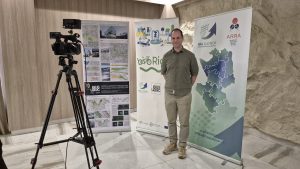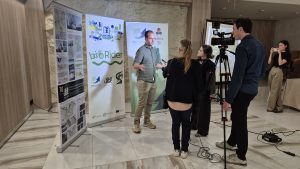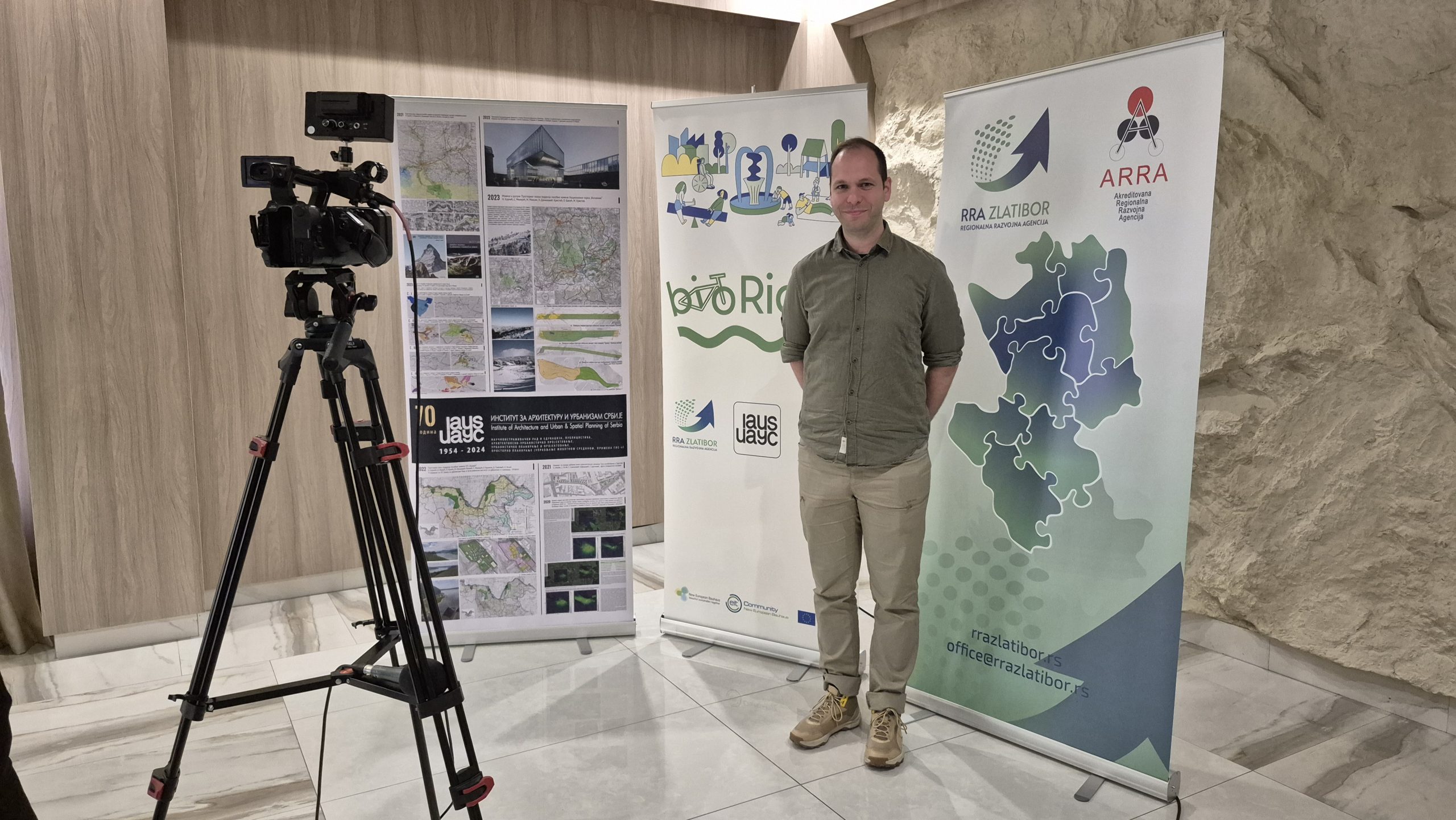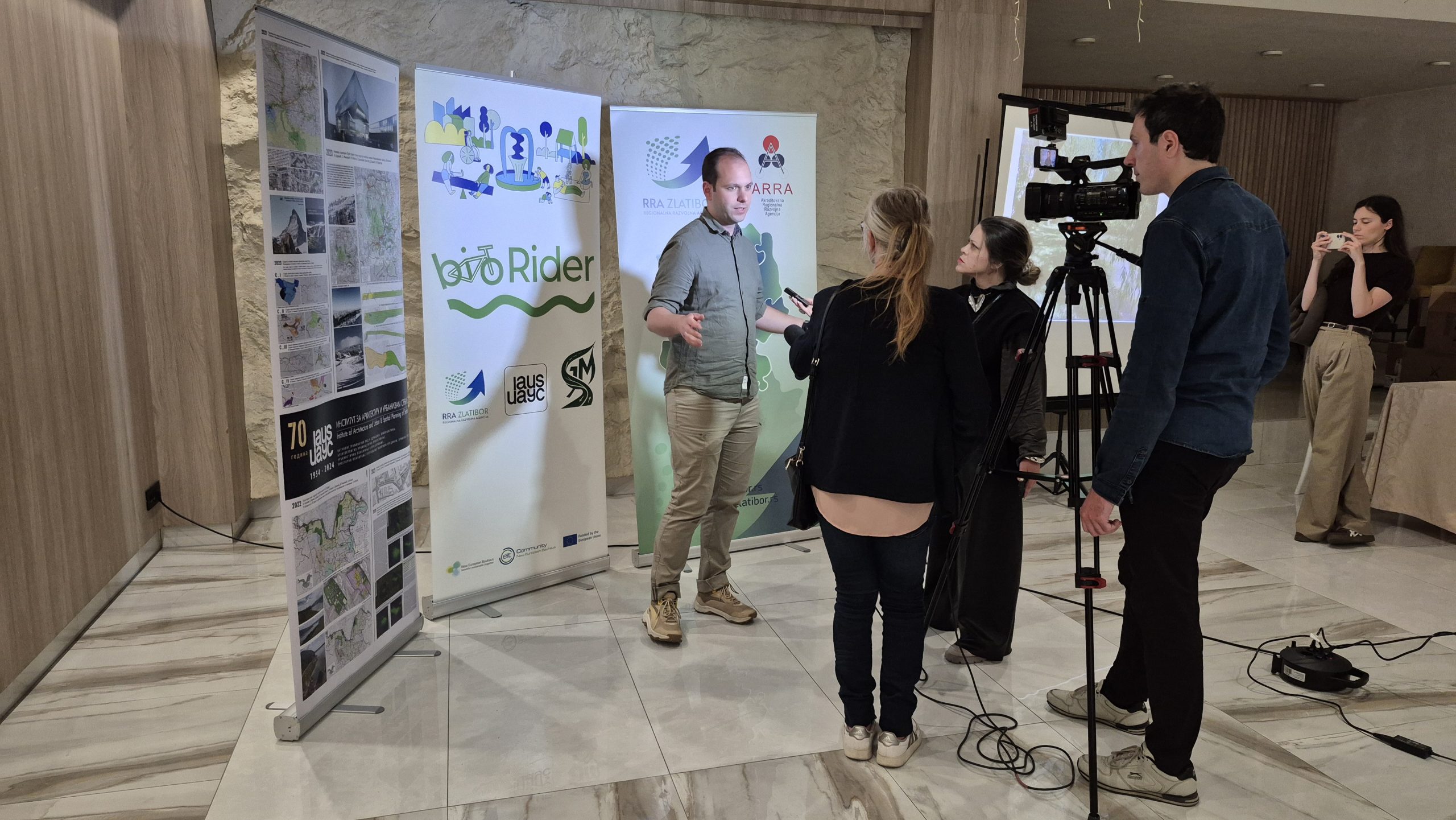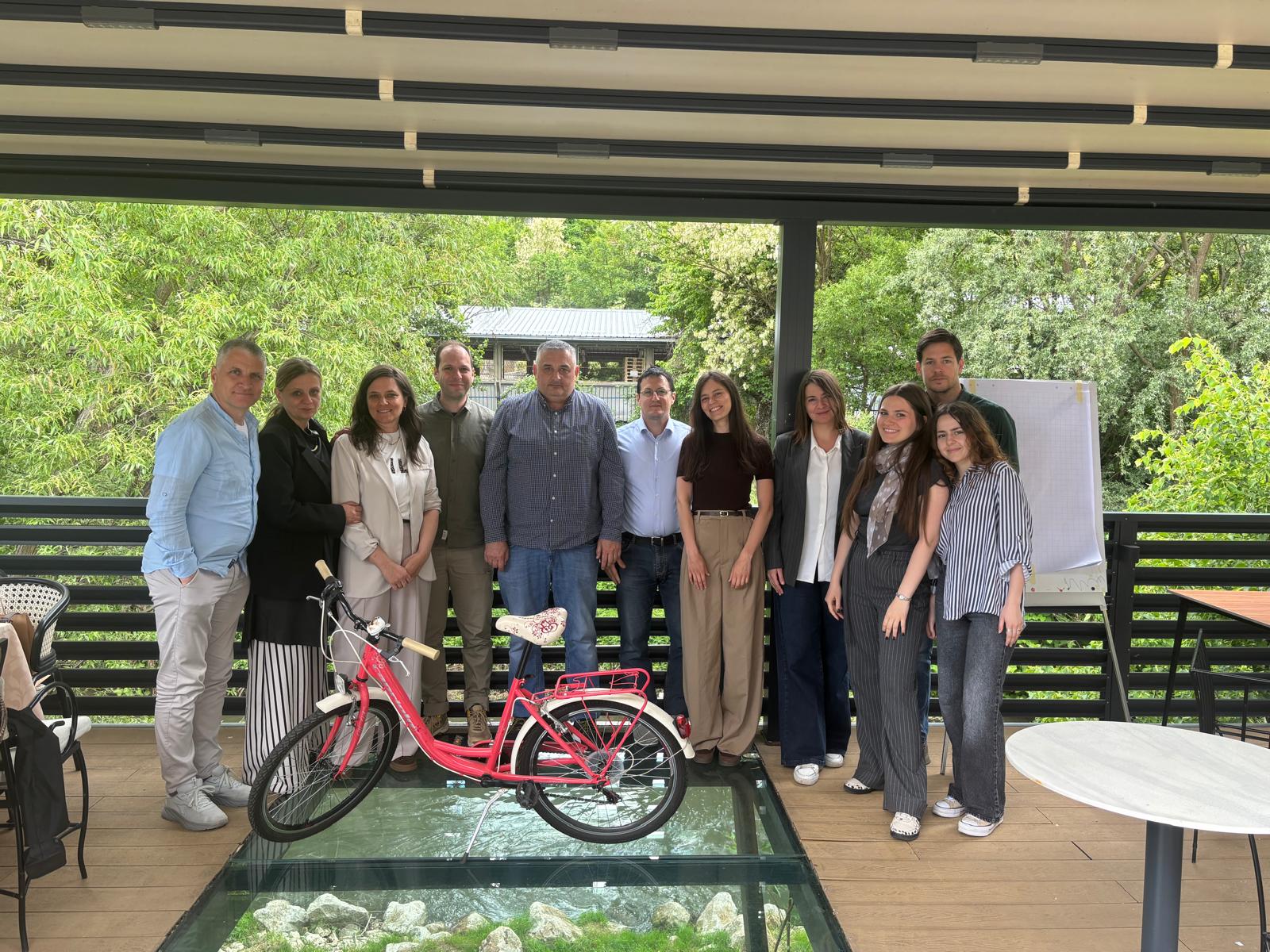
As part of the BioRider – Bridging Communities: Co-creating a Sustainable and Beautiful Đetinja Riverfront project, the conference and participatory workshops dedicated to the development of a future bicycle route between Užice and Sevojno along the Đetinja River were held in Užice on 21 and 22 May 2026.
The BioRider project is implemented within the framework of the Co-Create – New European Bauhaus 2025 programme, supported by the EIT Community NEB initiative, and carried out by the Regional Development Agency Zlatibor, Green Mobility and the Institute of Architecture and Urban & Spatial Planning of Serbia (IAUS). The project focuses on the development of sustainable mobility, the improvement of public spaces and the strengthening of the relationship between the city, the river and the local community through the application of the principles of the New European Bauhaus (NEB).
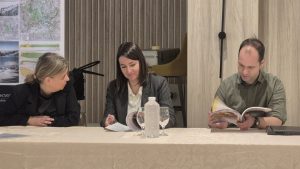
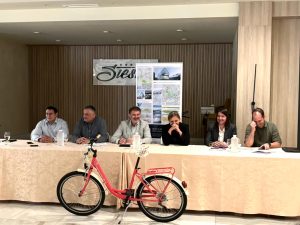
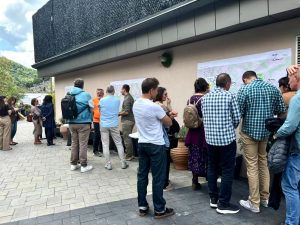
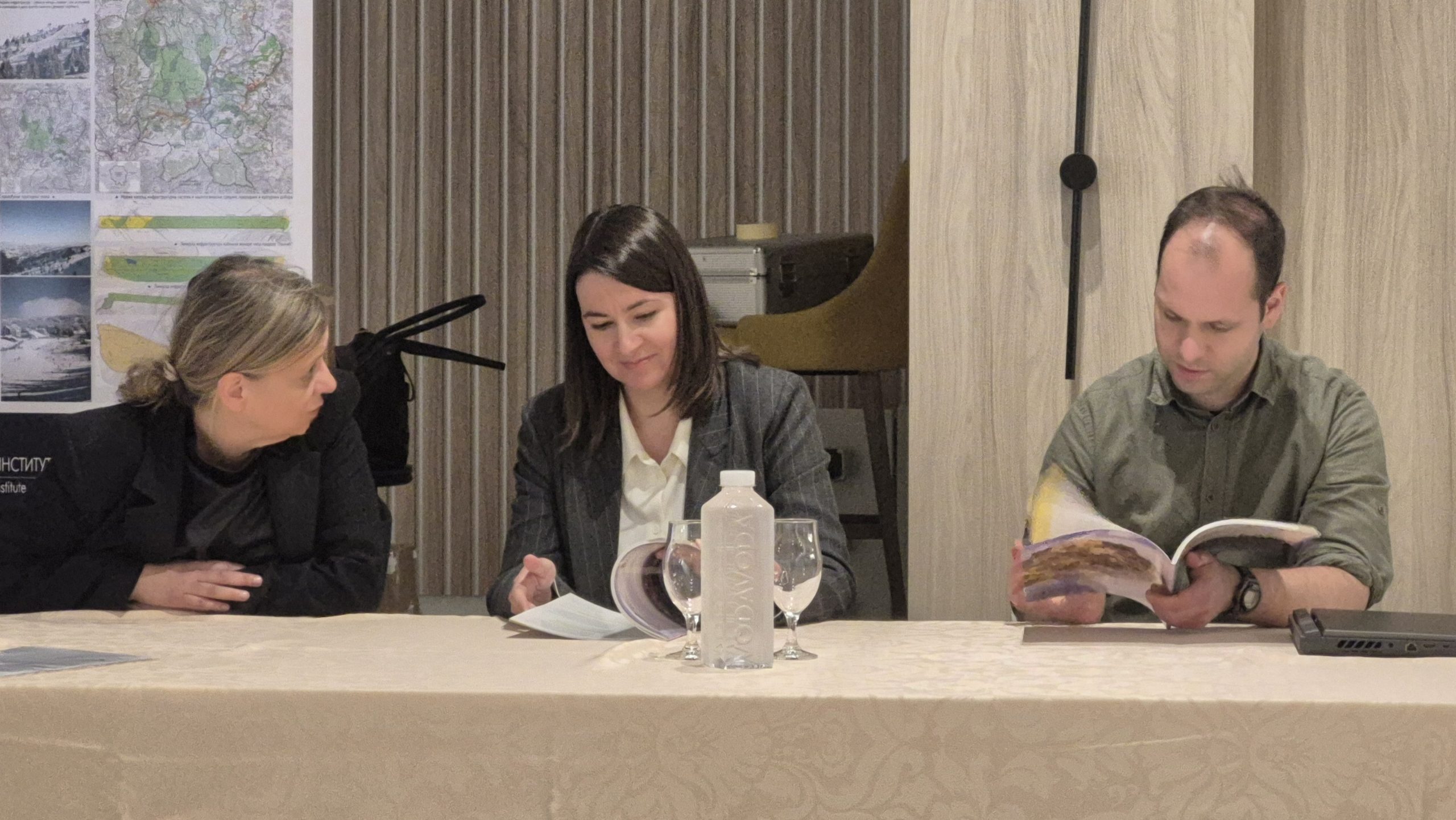
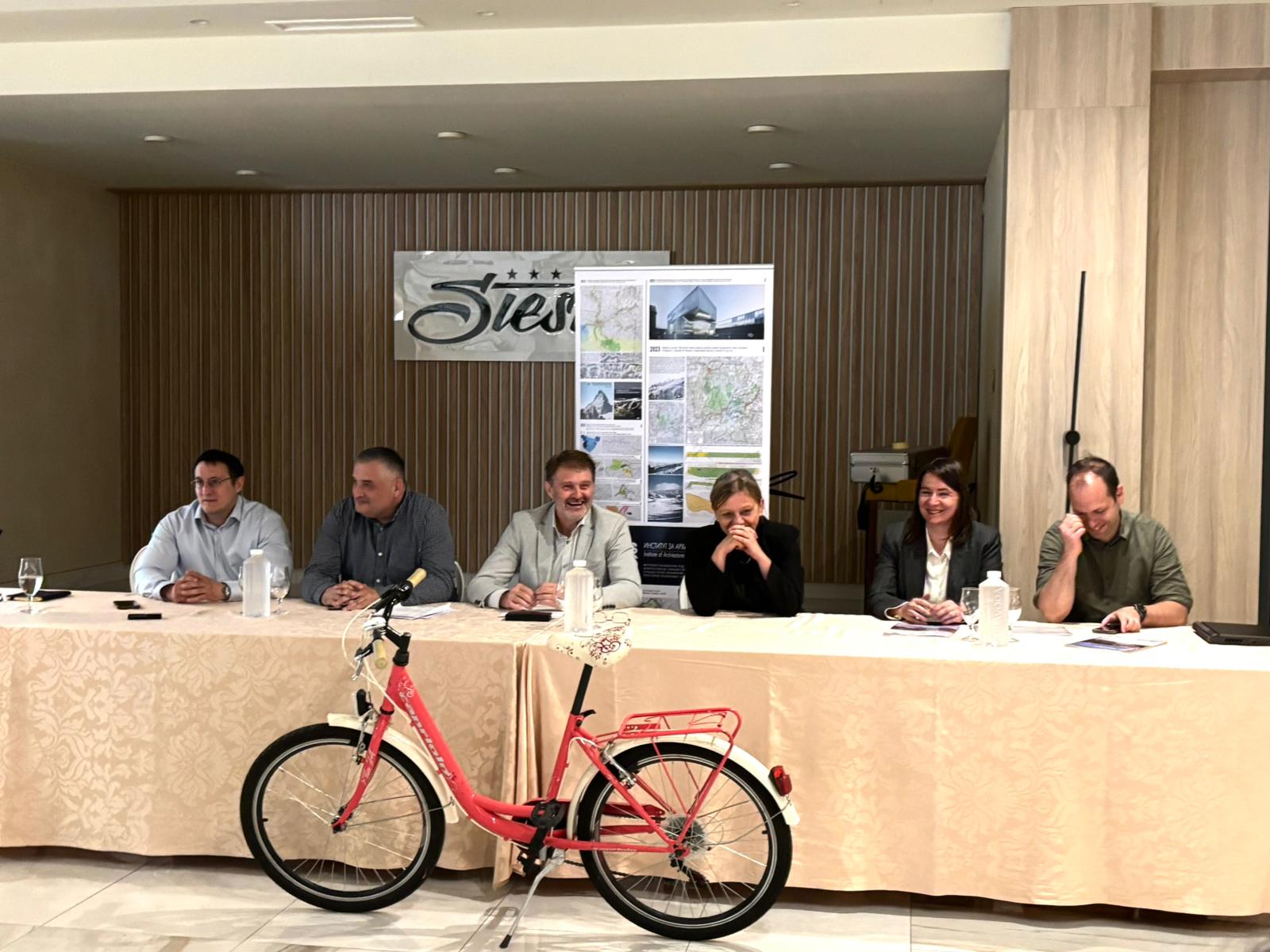
The conference brought together representatives of institutions, experts in urban planning, architecture and transport, representatives of civil society organisations, educational institutions and businesses, as well as interested citizens. During the conference session, the project objectives, planned activities and the methodological approach based on participatory planning and the co-creation of public spaces were presented.
A special segment of the conference was dedicated to the principles of the New European Bauhaus and their application in local development, including an online lecture by Mateja Softić (Iskriva, Ljubljana).
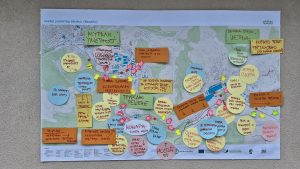
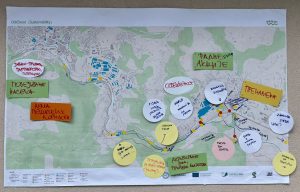
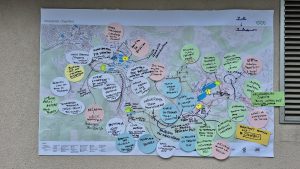
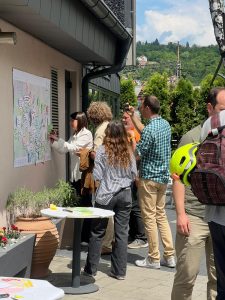
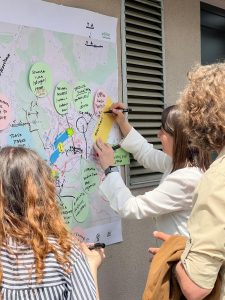
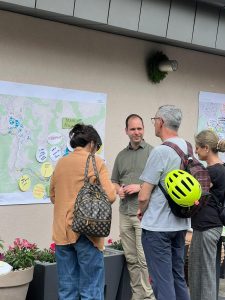
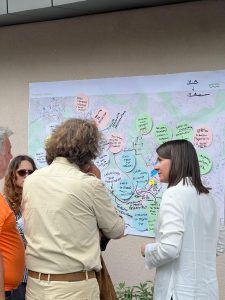
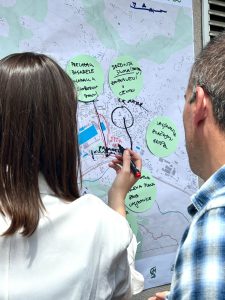
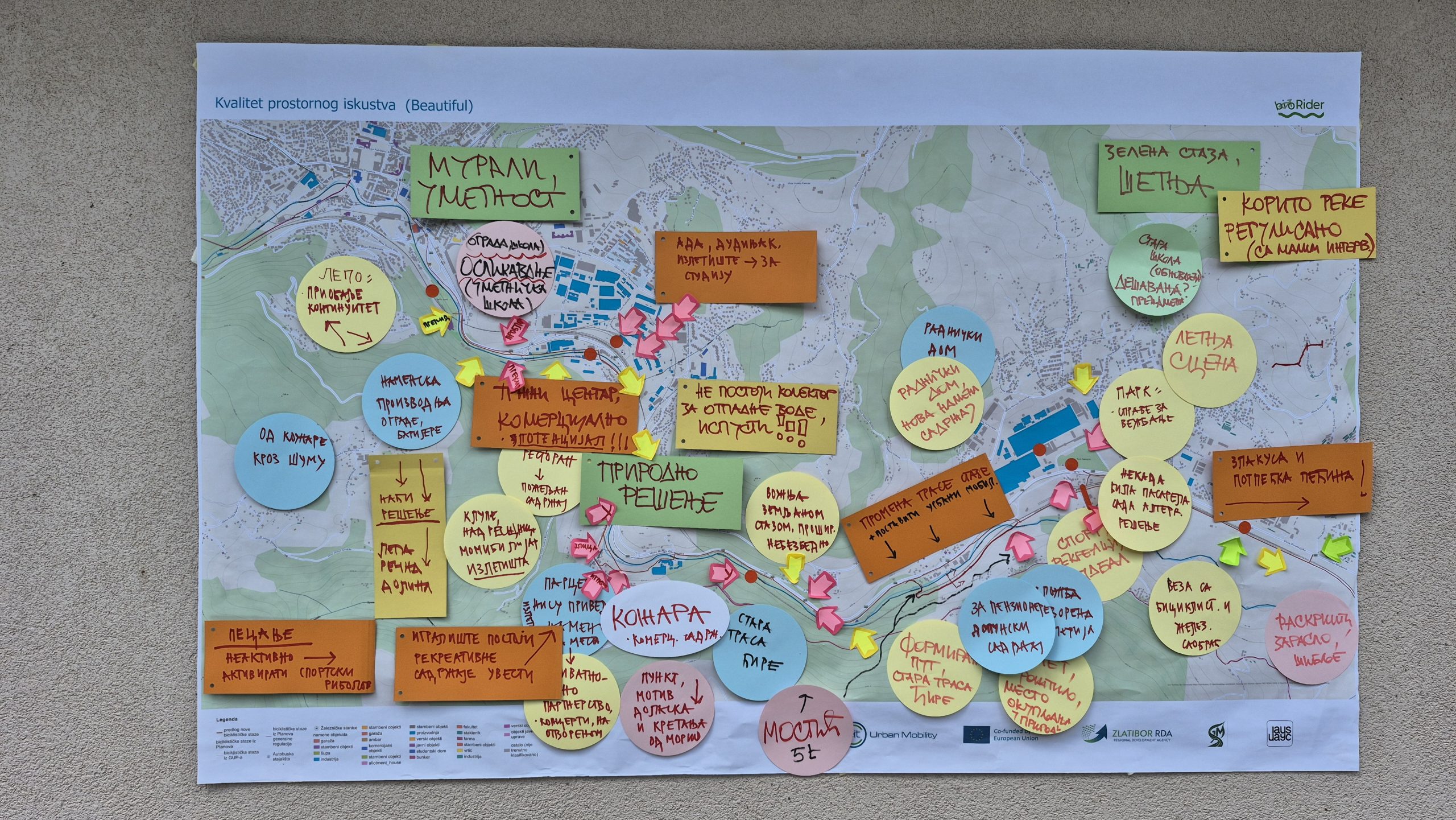
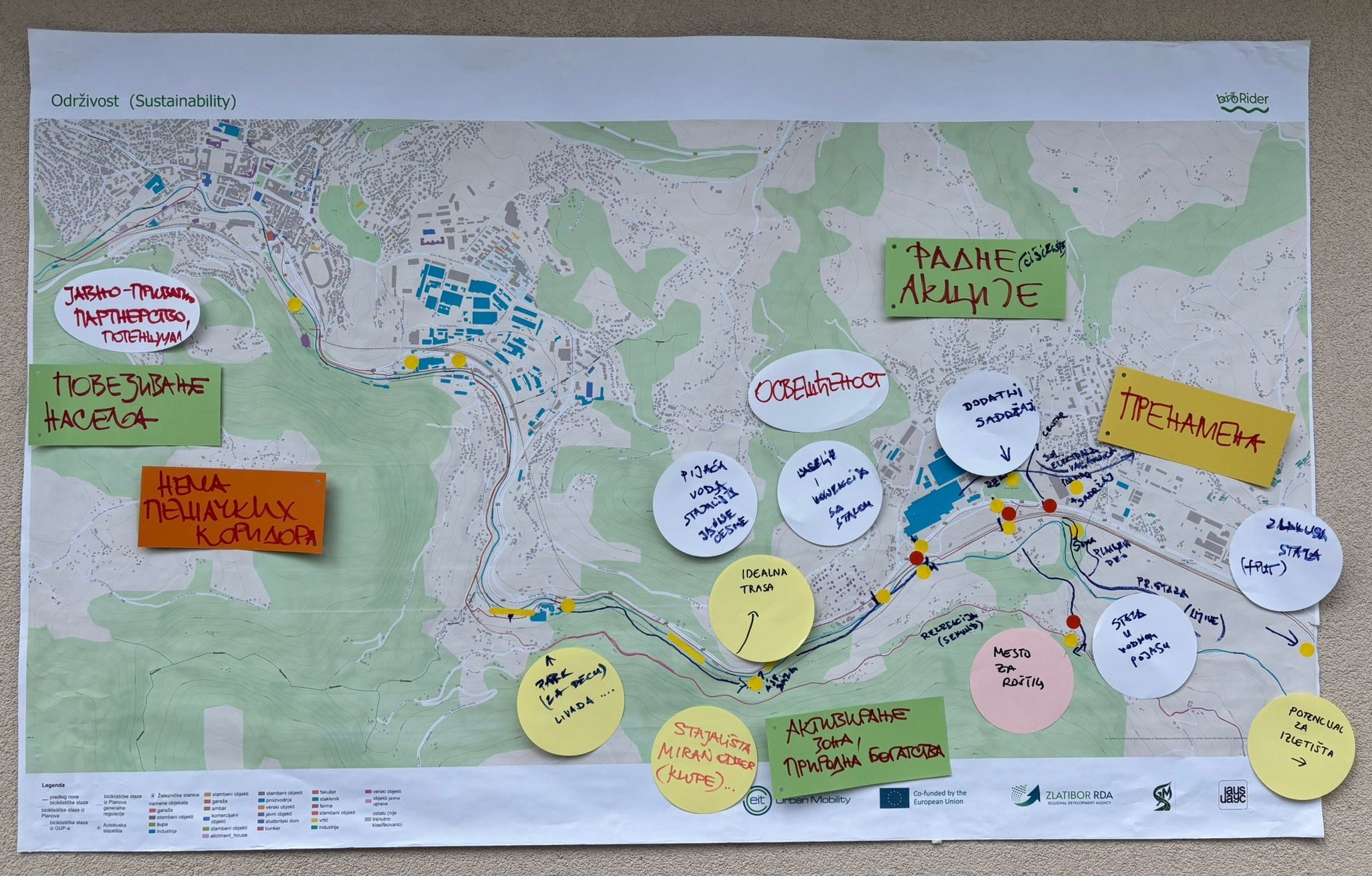
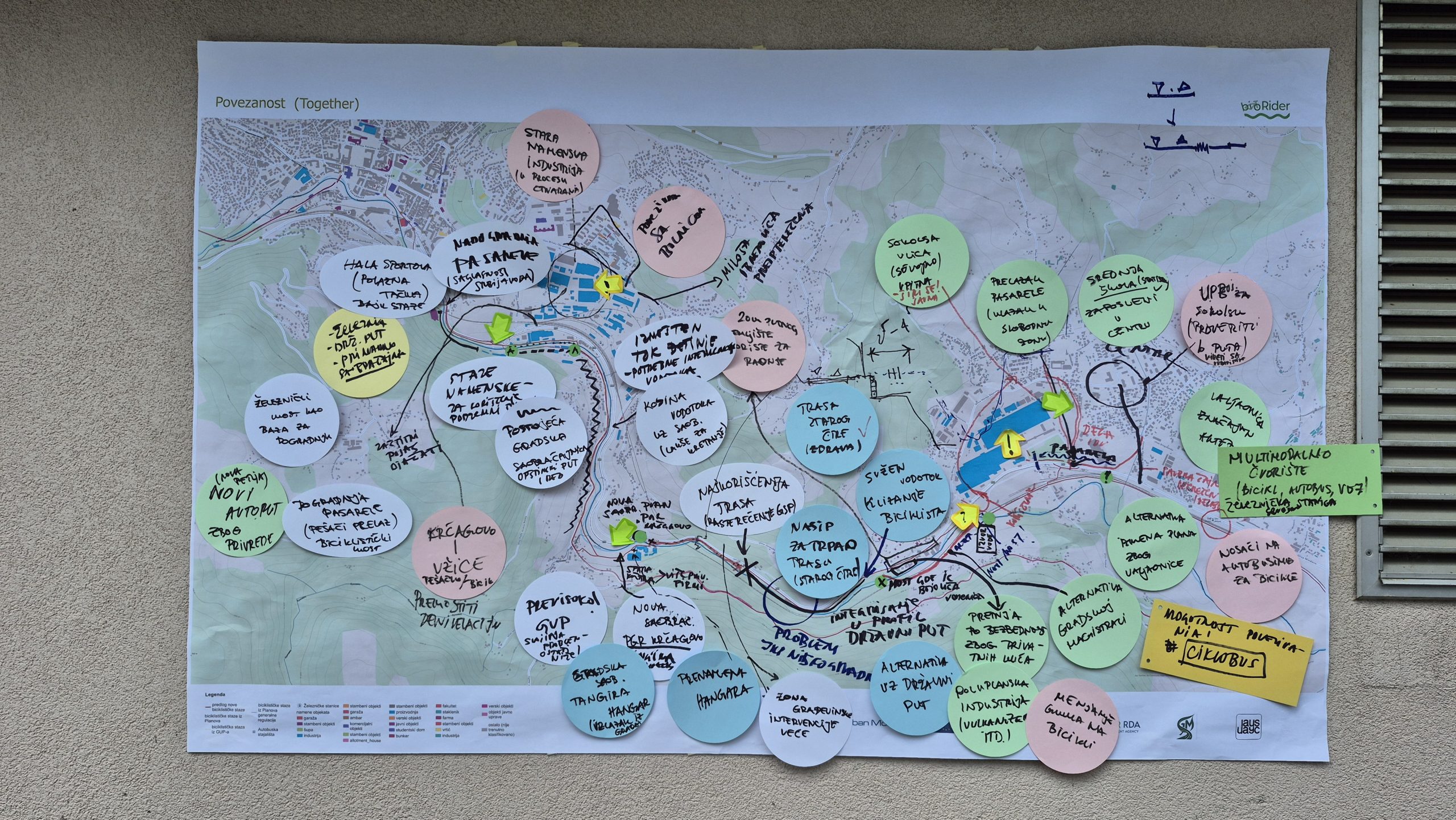
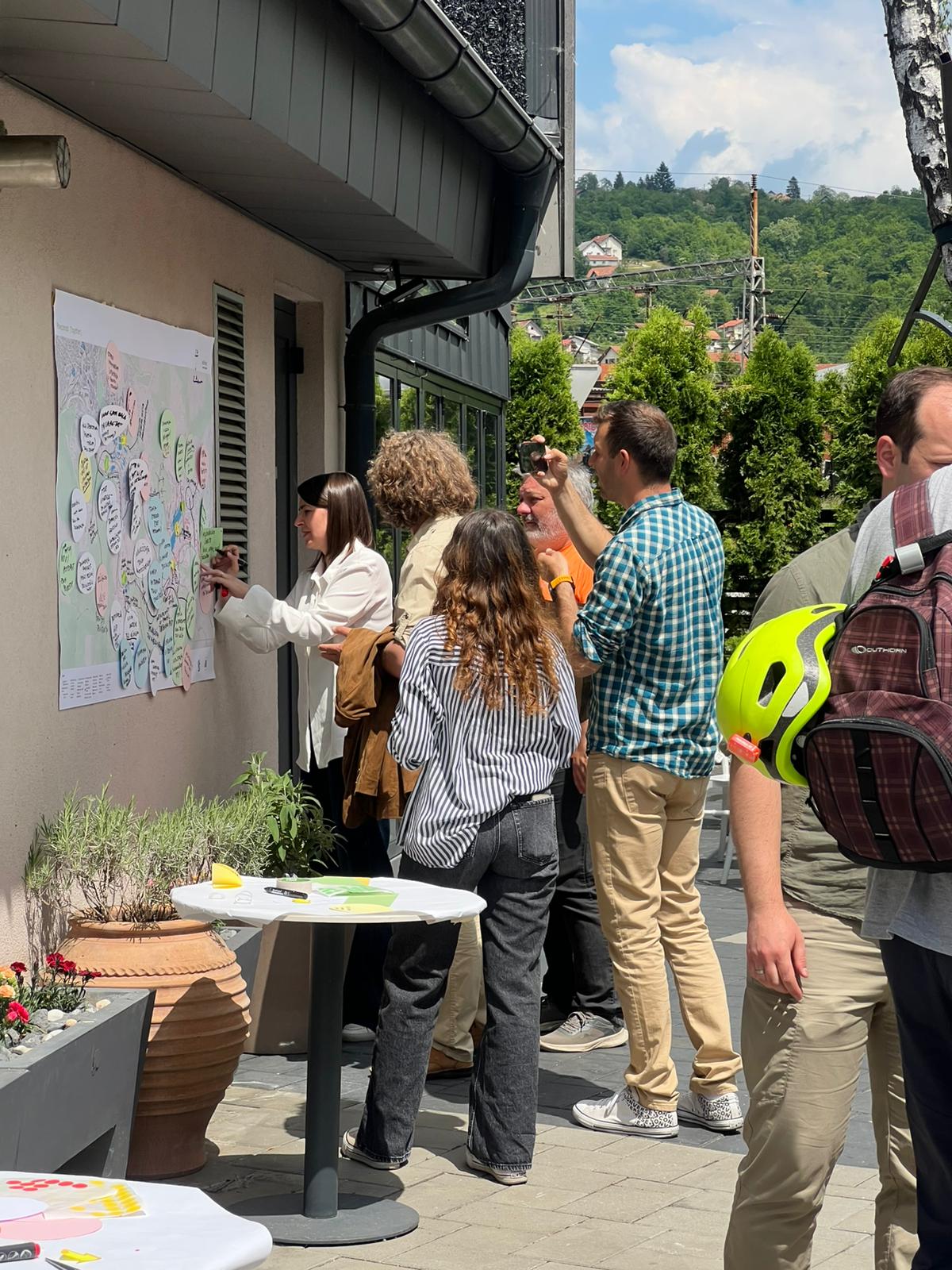
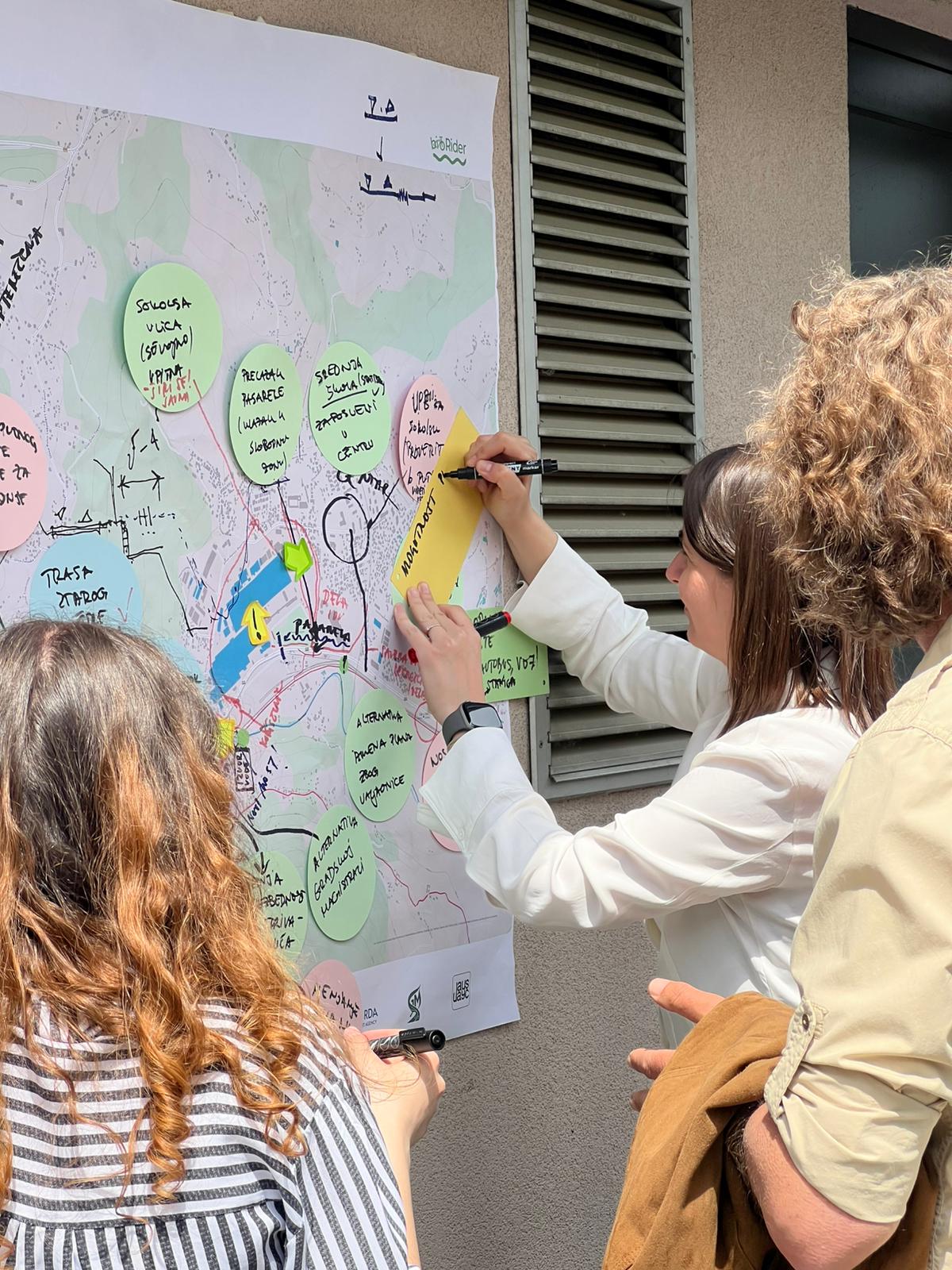
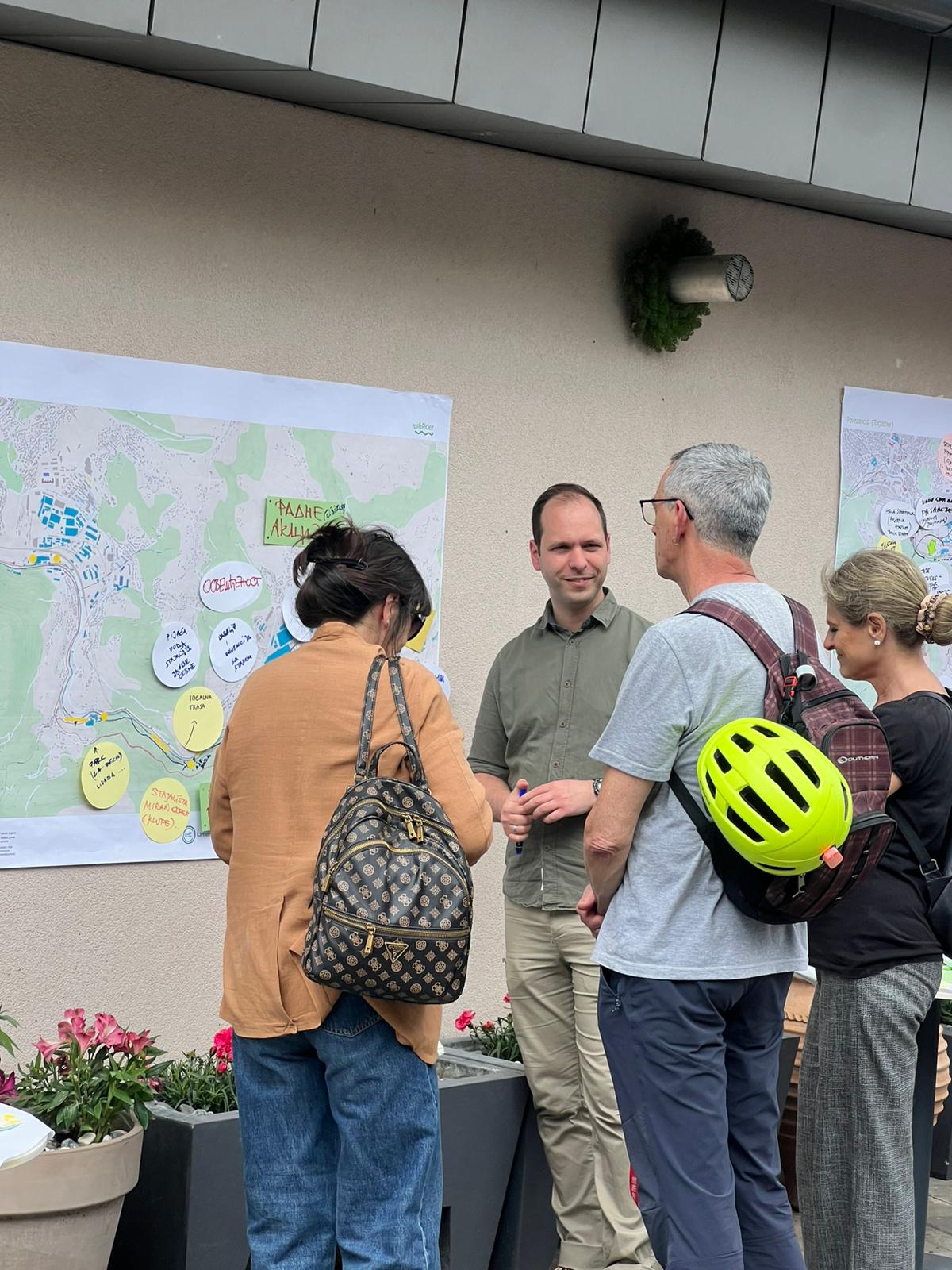
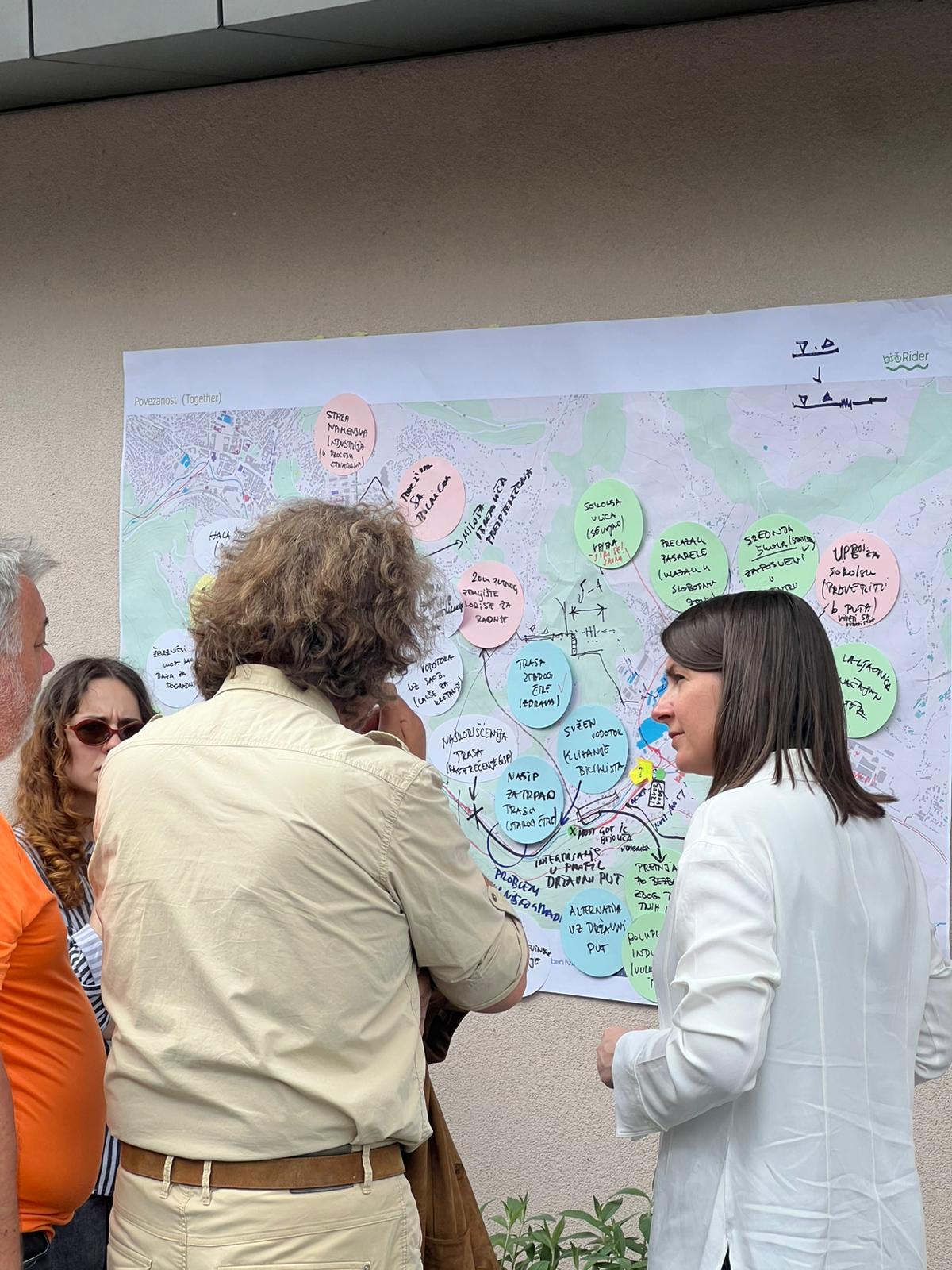
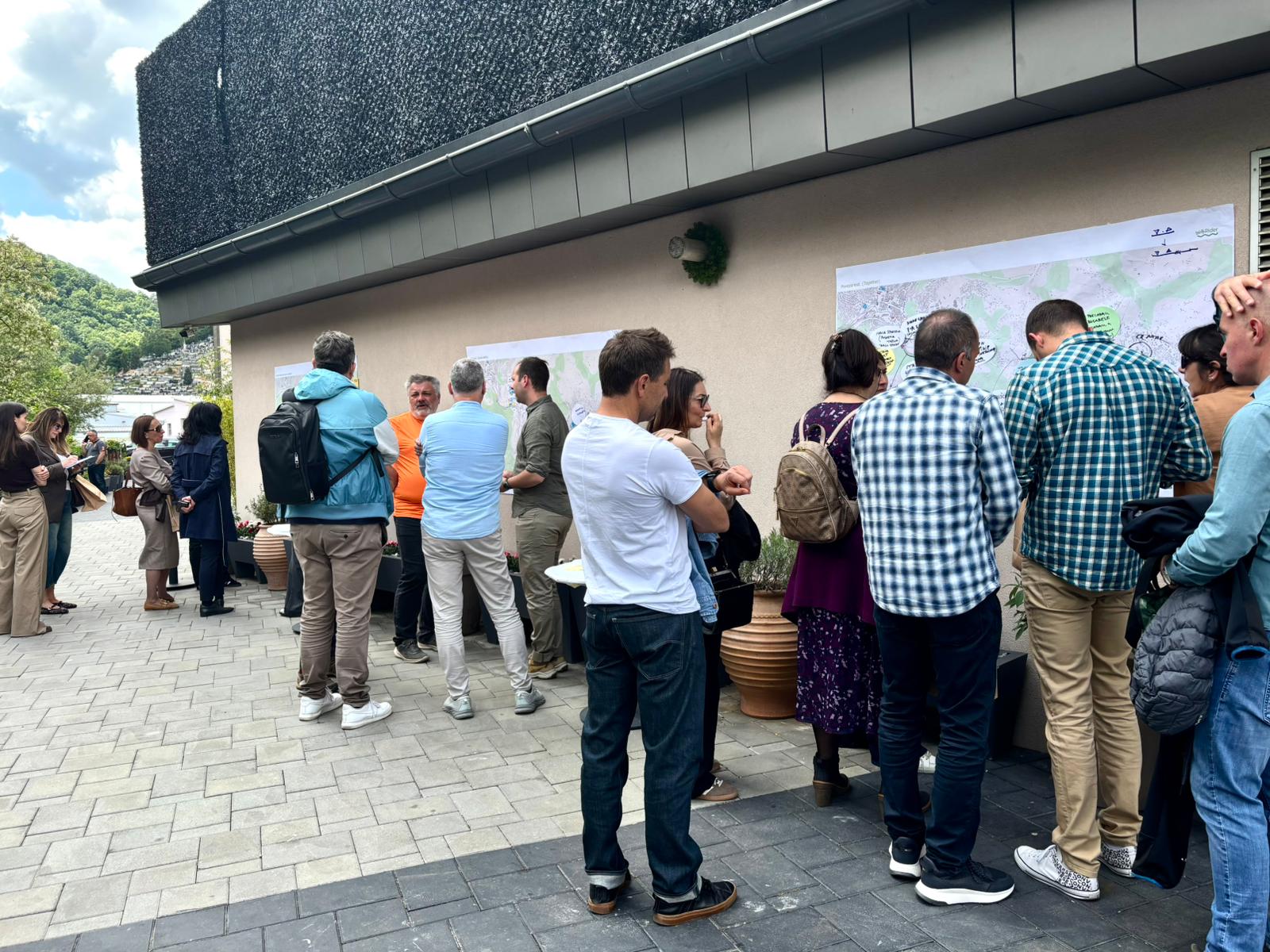
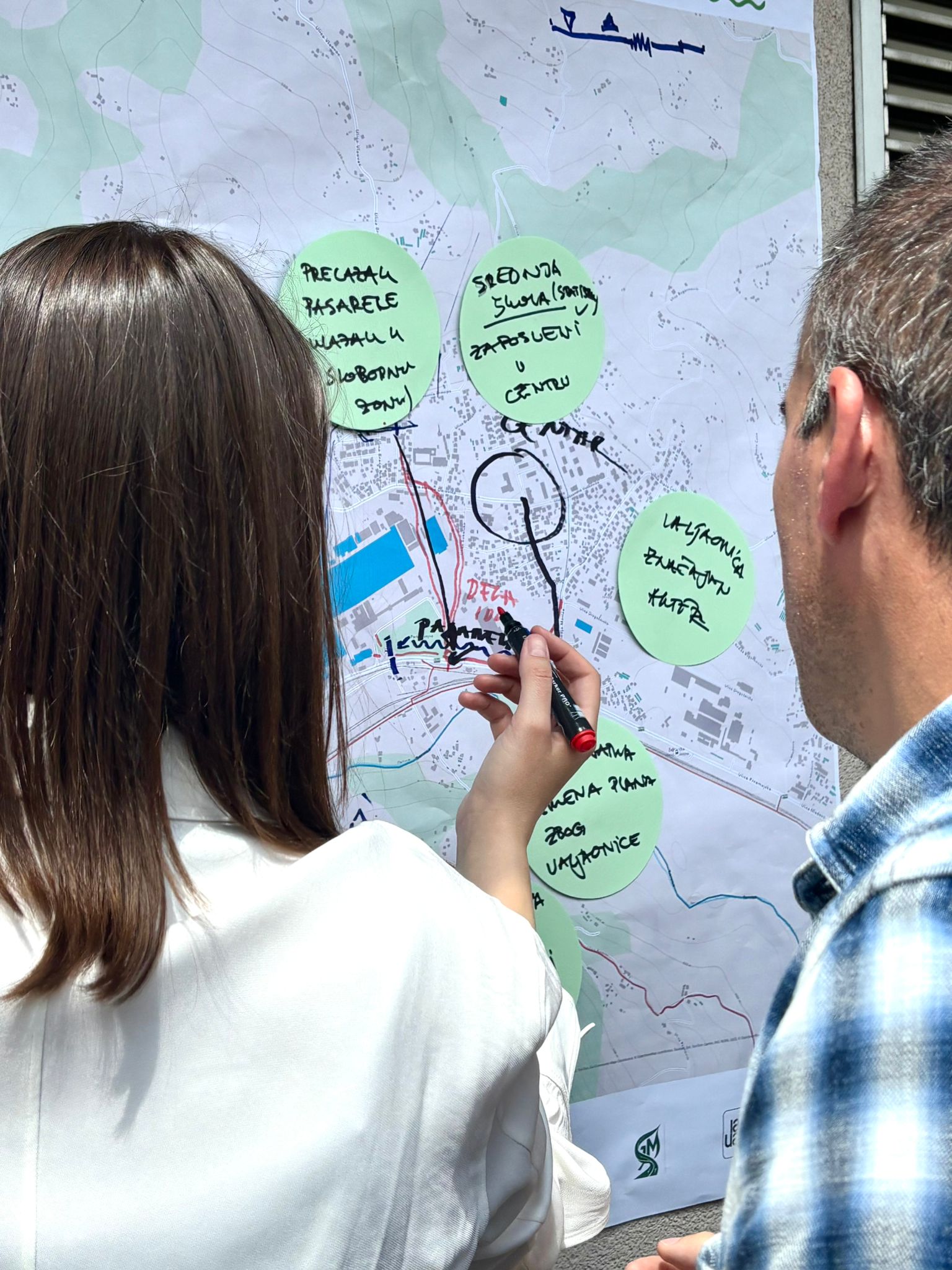
Following the conference session, a thematic workshop with citizens and stakeholders was organised, during which participants analysed the potentials and challenges of the Đetinja riverfront through interactive spatial mapping. Particular attention was given to the connection between public spaces and the riverfront, the improvement of pedestrian and cycling mobility, the quality of spatial experience, the potential for new public, cultural and recreational programmes, as well as the long-term transformation of the relationship between the city and the river.
Through discussions and collaborative work on maps, participants identified the spatial values, challenges and development potentials of the future bicycle route, with the aim of establishing a foundation for the further development of the route concept and initiating its inclusion in planning documentation.
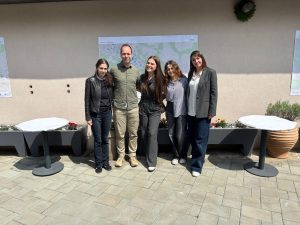
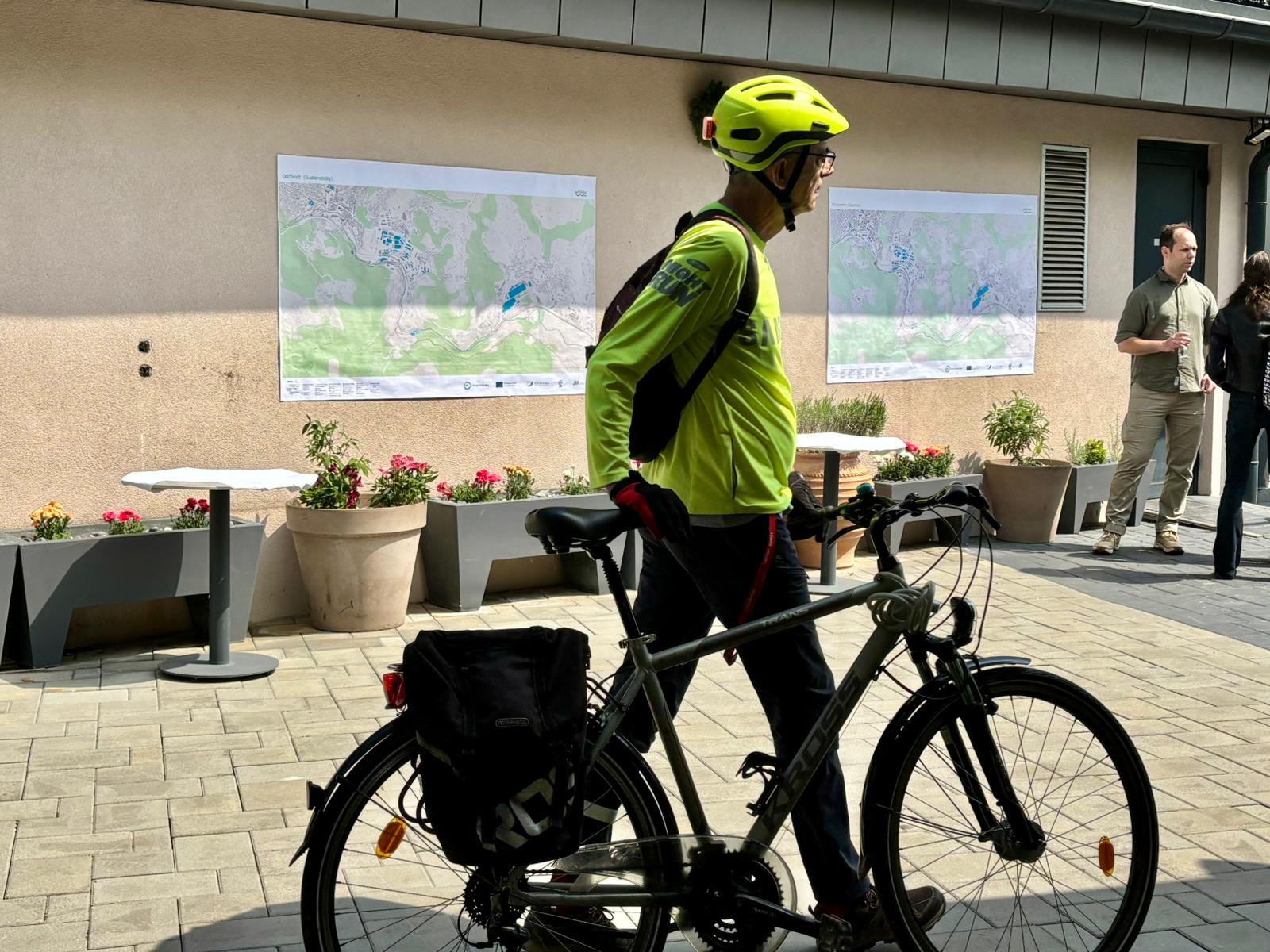
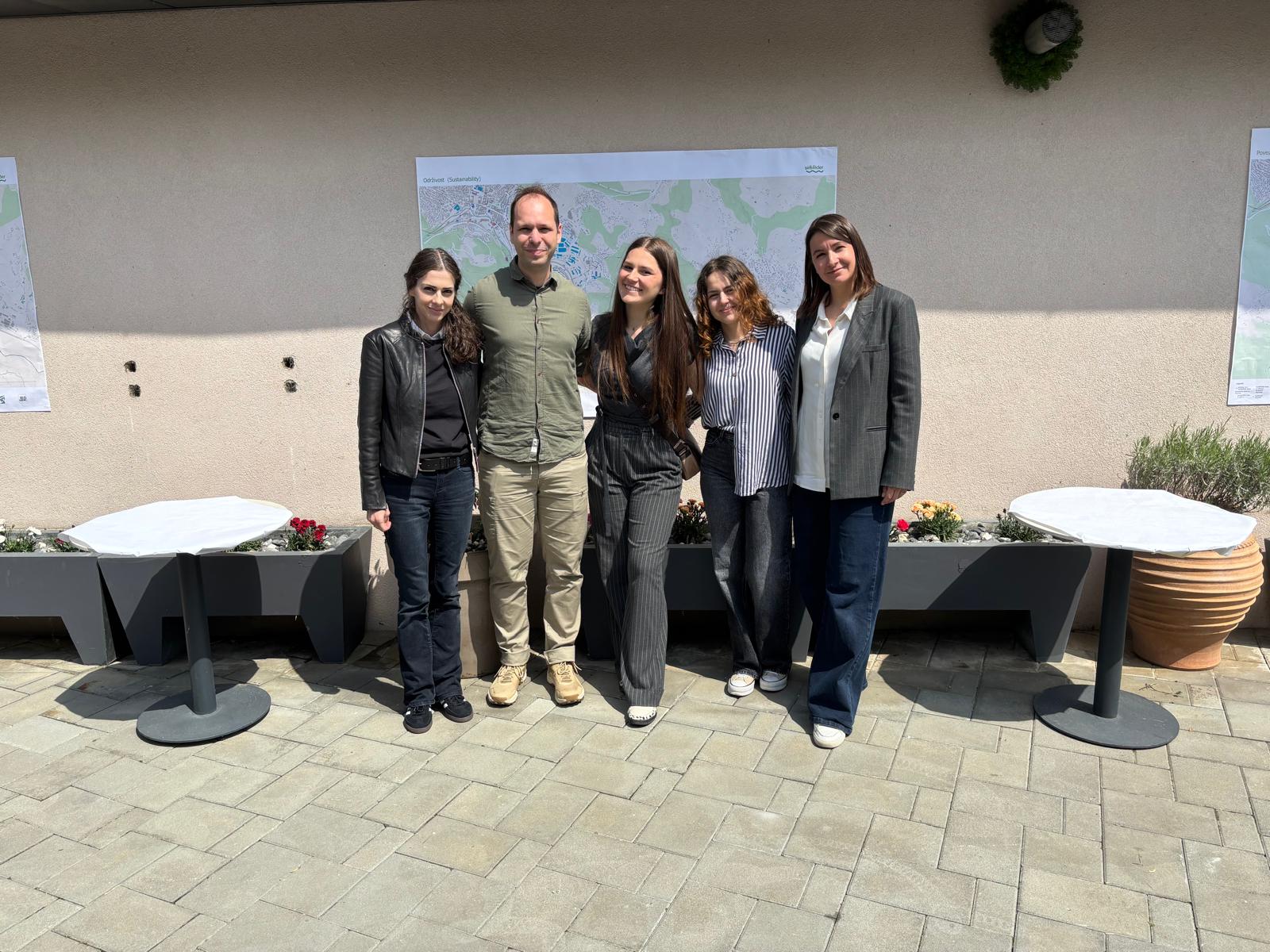
Within the workshops, IAUS participated in the preparation and facilitation of thematic sessions dedicated to the localisation of NEB values in the context of the future bicycle route and the revitalisation of the Đetinja riverfront, with a particular focus on the quality of spatial experience (Beautiful), sustainability (Sustainable), and spatial connectivity and inclusiveness (Together). The IAUS team also included students from Master studies Integral Urbanism, University of Belgrade – Faculty of Architecture.
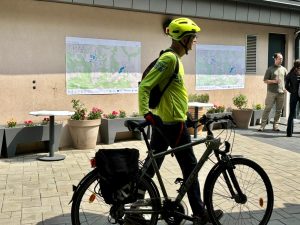
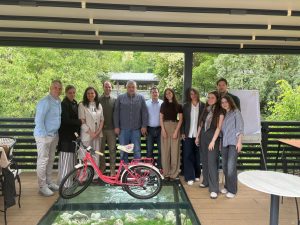
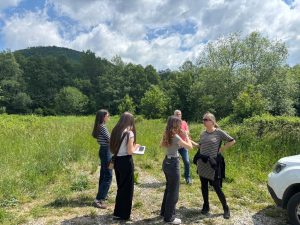
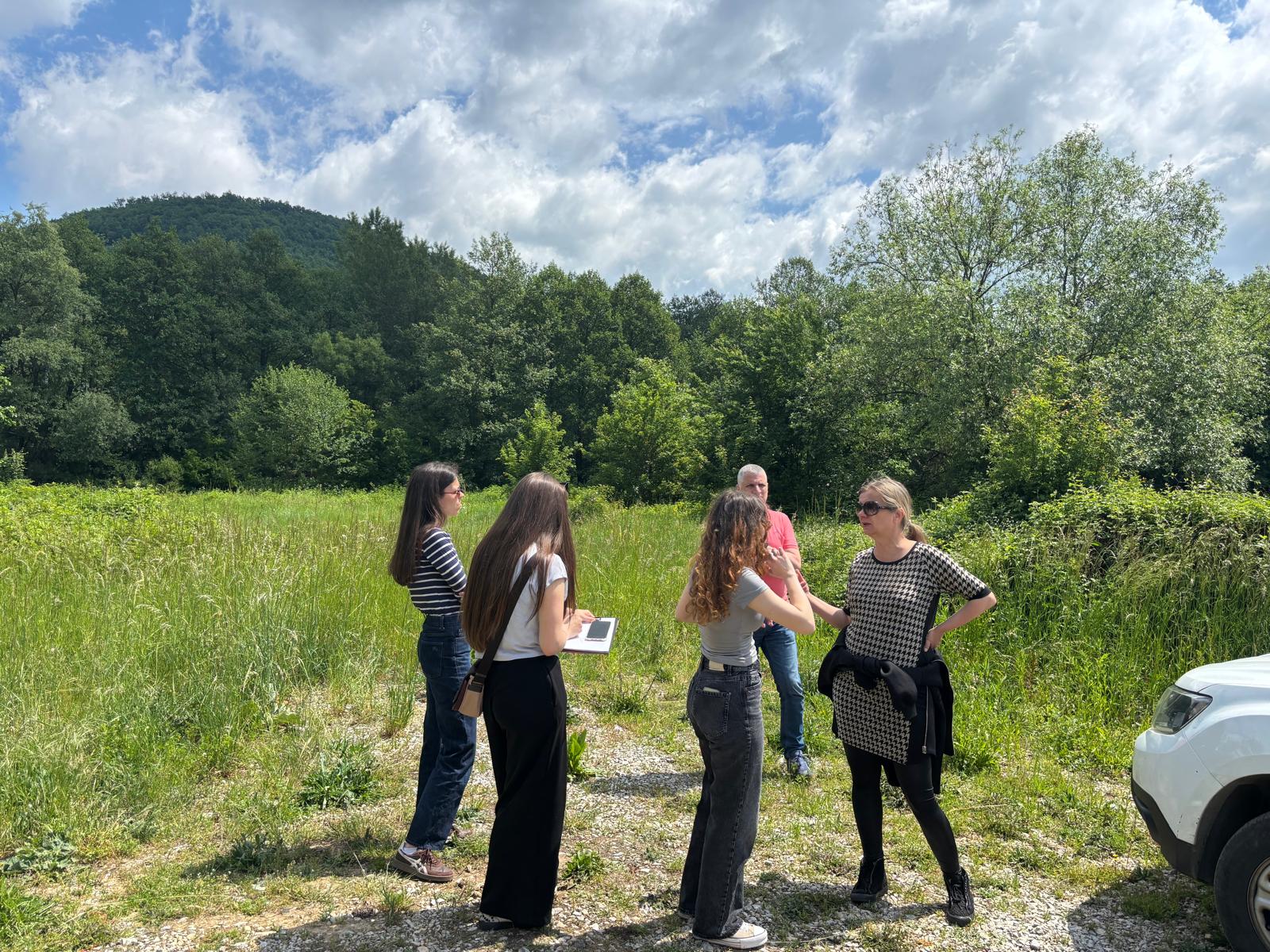
On the second day of the event, 22 May, a field workshop and expert site visit along the future bicycle route were organised, involving representatives of the Regional Development Agency Zlatibor, Green Mobility and the IAUS team. Through direct observation of the site, walking along the riverfront and analysing different sections of the planned path, participants had the opportunity to examine spatial potentials, limitations, discontinuities in movement, possibilities for river access, as well as the character of the existing spatial settings and natural environments. The fieldwork provided valuable first-hand insight into the spatial relationships and specific characteristics of the site, representing an important basis for the further development of the future route concept and the formulation of spatial and programmatic guidelines for the project.
The conference, workshops and field activities held in Užice officially marked the beginning of a broader participatory process within the BioRider project, aimed at creating a sustainable, connected and high-quality public space along the Đetinja River.