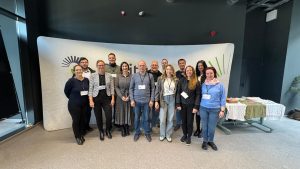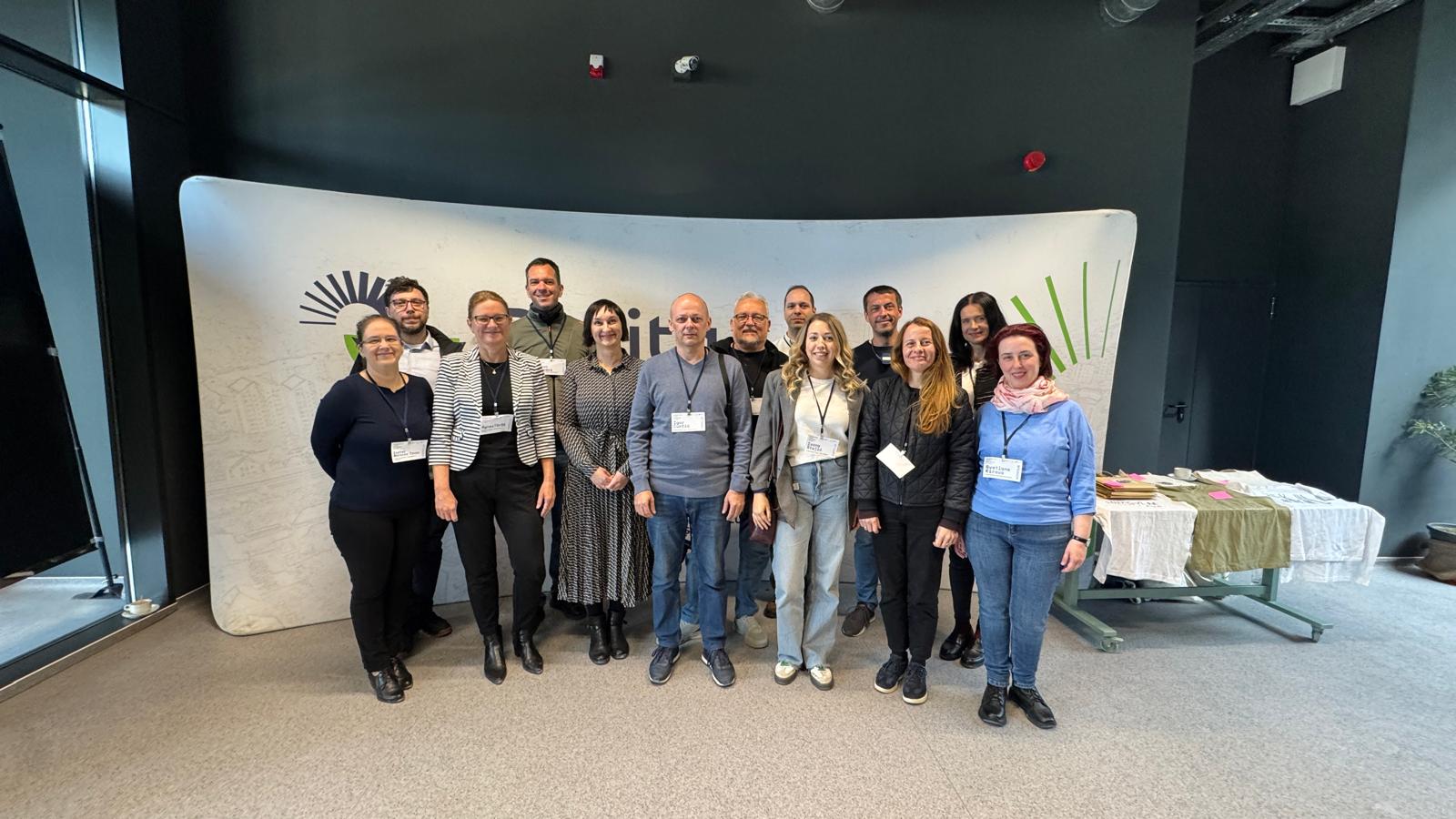
From 23 to 25 April 2026, the international conference Investing in Heritage Revitalisation in the Danube Region “Regenerating Places, Reimagining Futures” was held in Reșița, Romania. The conference focused on urban regeneration, industrial heritage revitalisation, and the development of new governance and investment models for degraded areas. The event was jointly organised by the Municipality of Reșița, MKBT, the Iskriva Institute from Slovenia, and the ITI Banat Mountains Intercommunity Development Association. It brought together representatives of local governments, regional institutions, academic and non-governmental organisations, as well as experts in urban regeneration, industrial heritage, participatory governance, and investment models from across the Danube Region.
The conference programme focused on the exchange of experiences and the development of collaborative approaches to the revitalisation of abandoned industrial sites and brownfield areas through the principles of the New European Bauhaus (NEB), participatory governance, and sustainable investment models. Particular emphasis was placed on connecting the spatial, social, economic, and cultural dimensions of industrial heritage transformation.
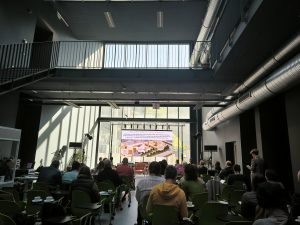
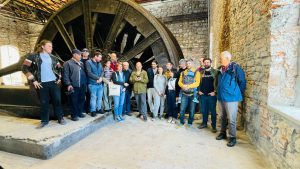
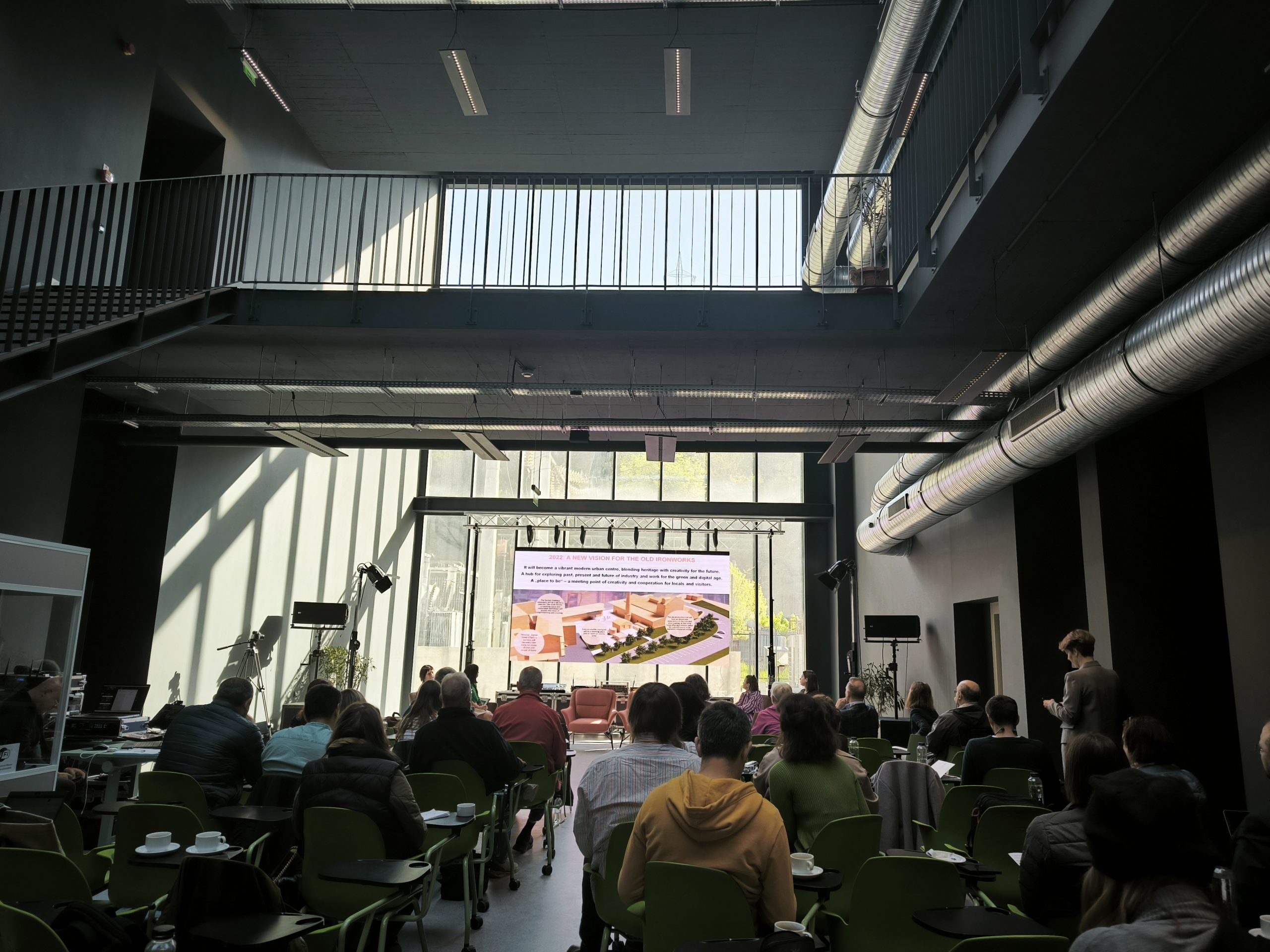
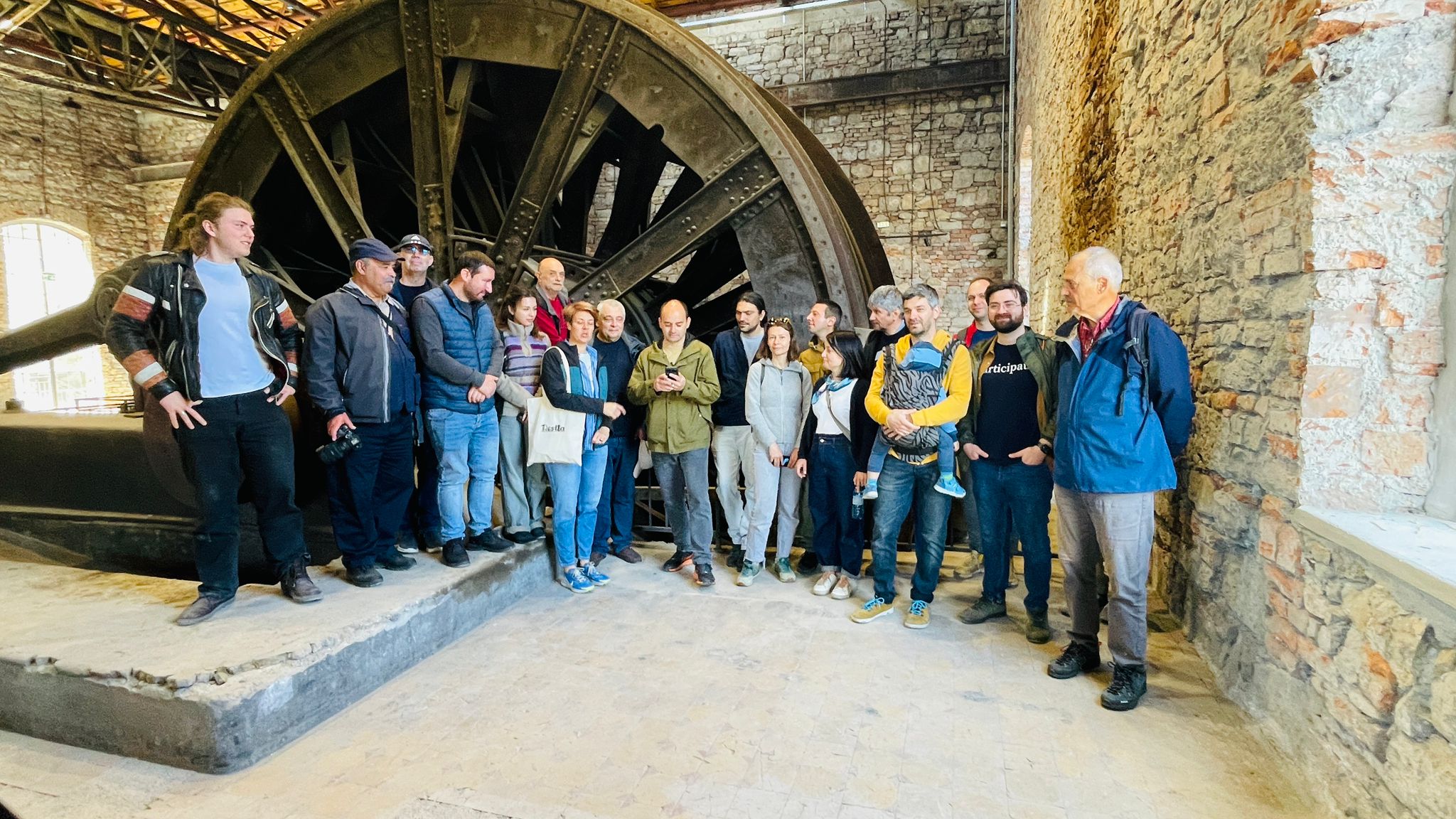
The first conference day featured panels dedicated to European and national urban regeneration policies, financial instruments and investment models, as well as examples of industrial heritage revitalisation across the Danube Region. Participants had the opportunity to visit the Mociur–Triaj–Valea Țerovei industrial complex and the Funicular Bridge revitalisation project, one of the examples of investment implemented within the framework of the New European Bauhaus.
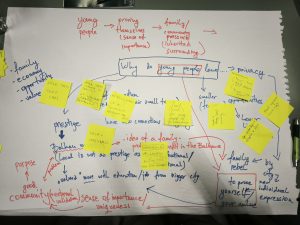
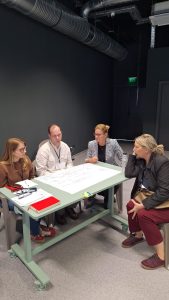
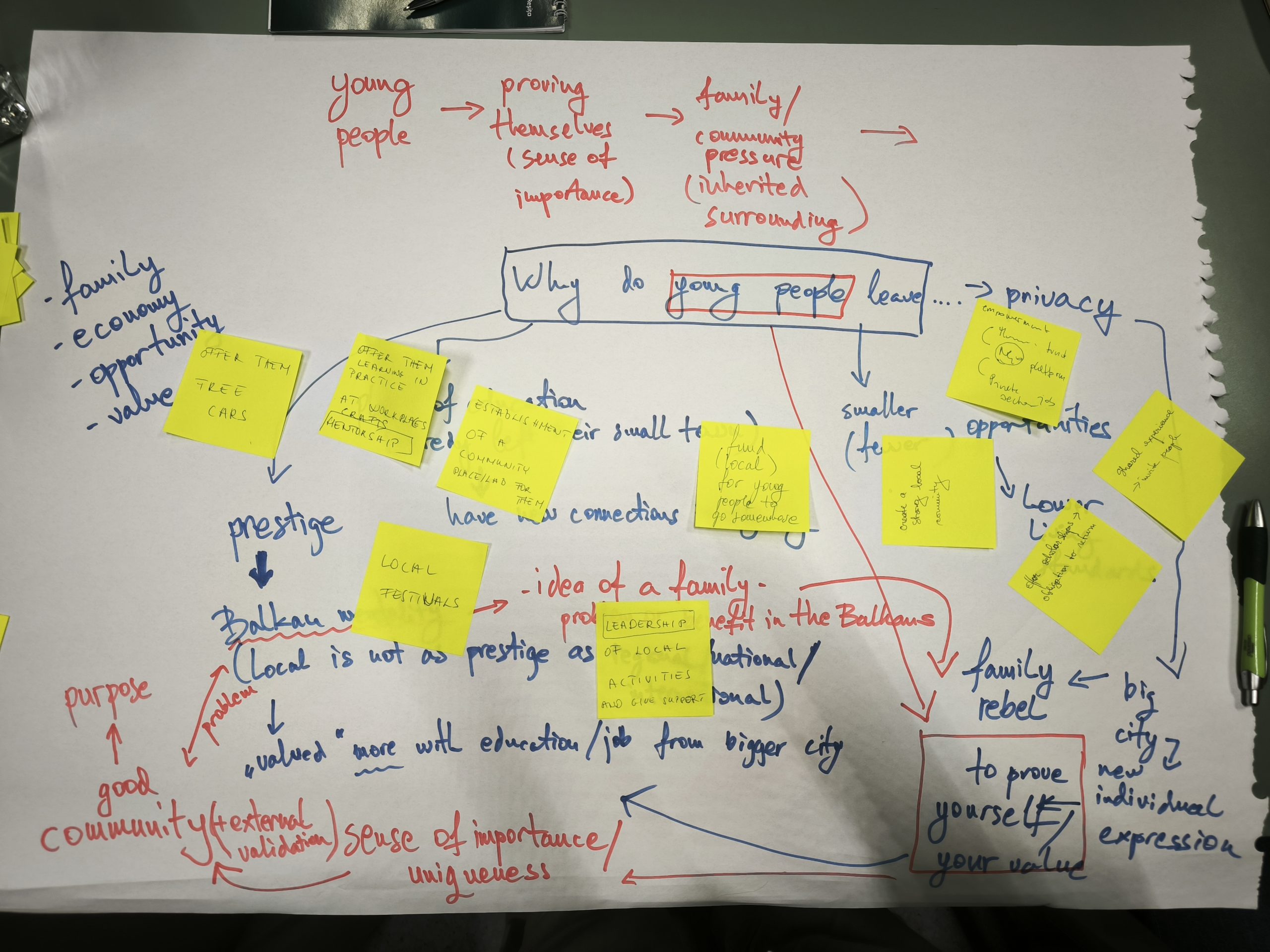
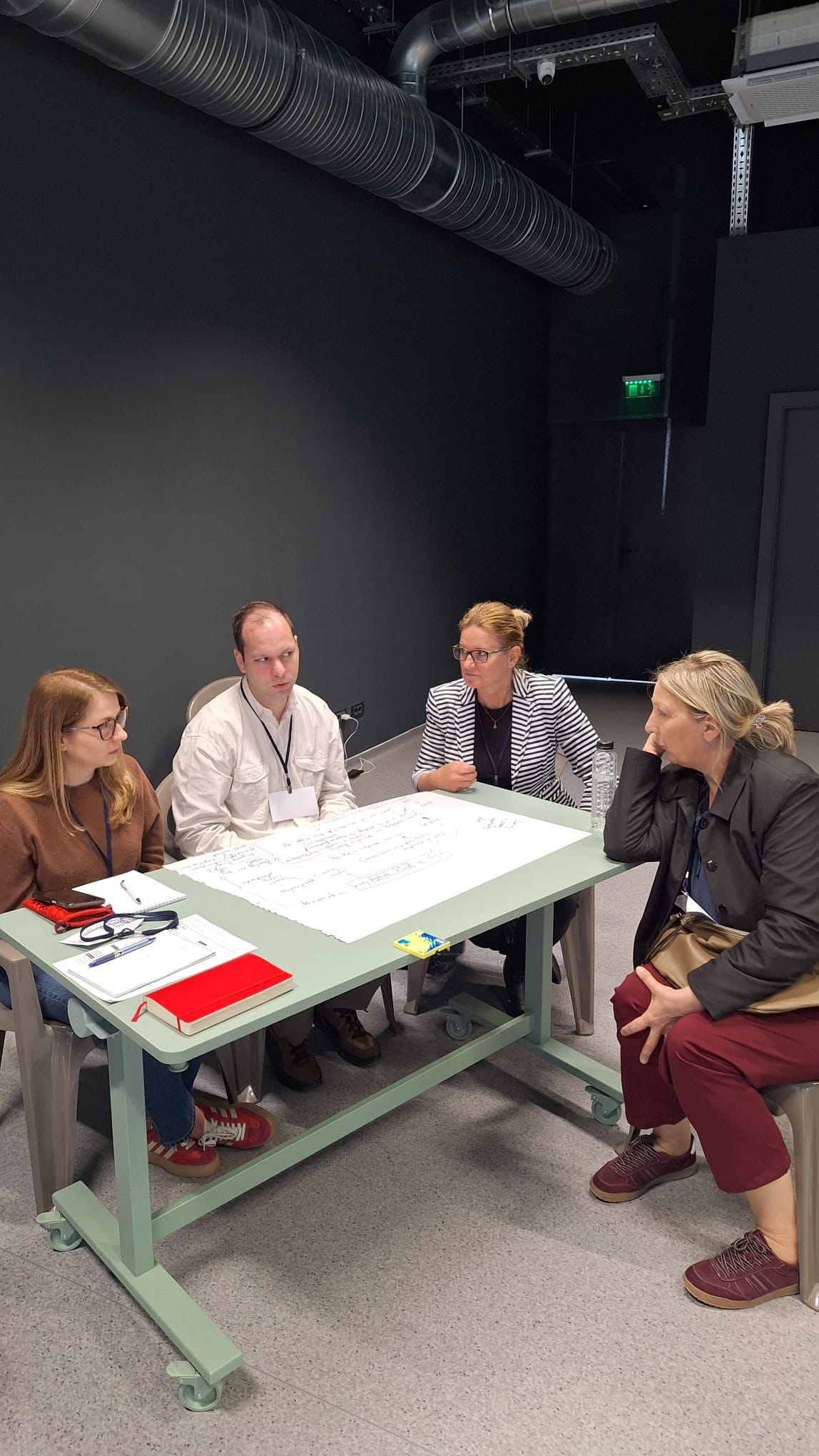
The second day focused on issues of multi-level and participatory governance, with particular reference to experiences developed through the NONA project. Workshops and working groups addressed topics such as youth leadership, investment readiness, financing models, co-governance, and the development of cooperation networks. Within the panel dedicated to multi-stakeholder governance, experiences from pilot sites in Slovenia, Romania, and other countries of the region were presented, with a focus on activating industrial heritage through cooperation between the public, civil, and private sectors.
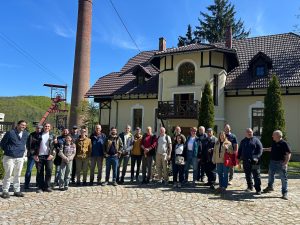
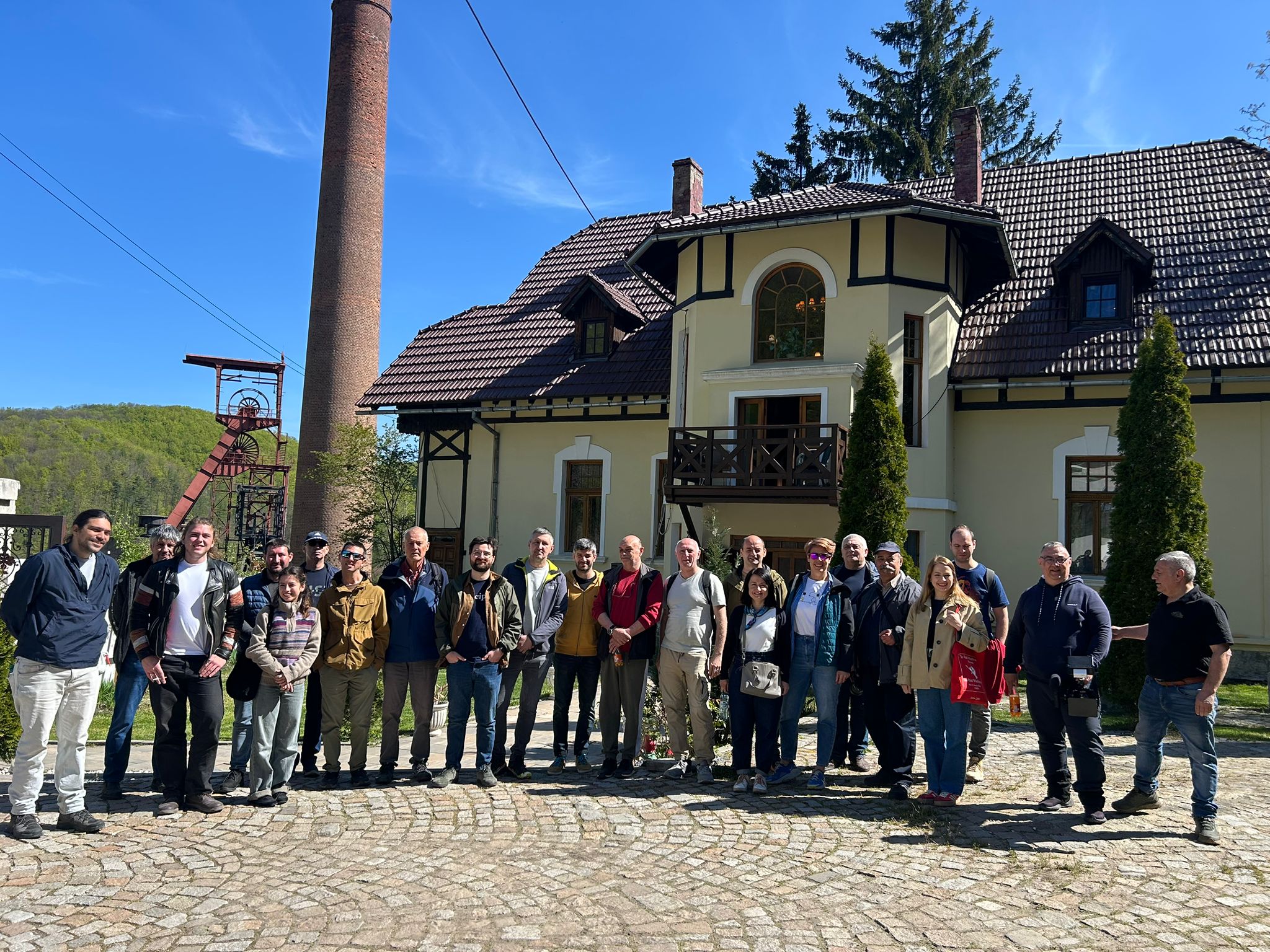
The third conference day was dedicated to field visits to industrial heritage sites in the vicinity of Reșița, including the mining heritage of the town of Anina and the historic hydrotechnical system surrounding the city.
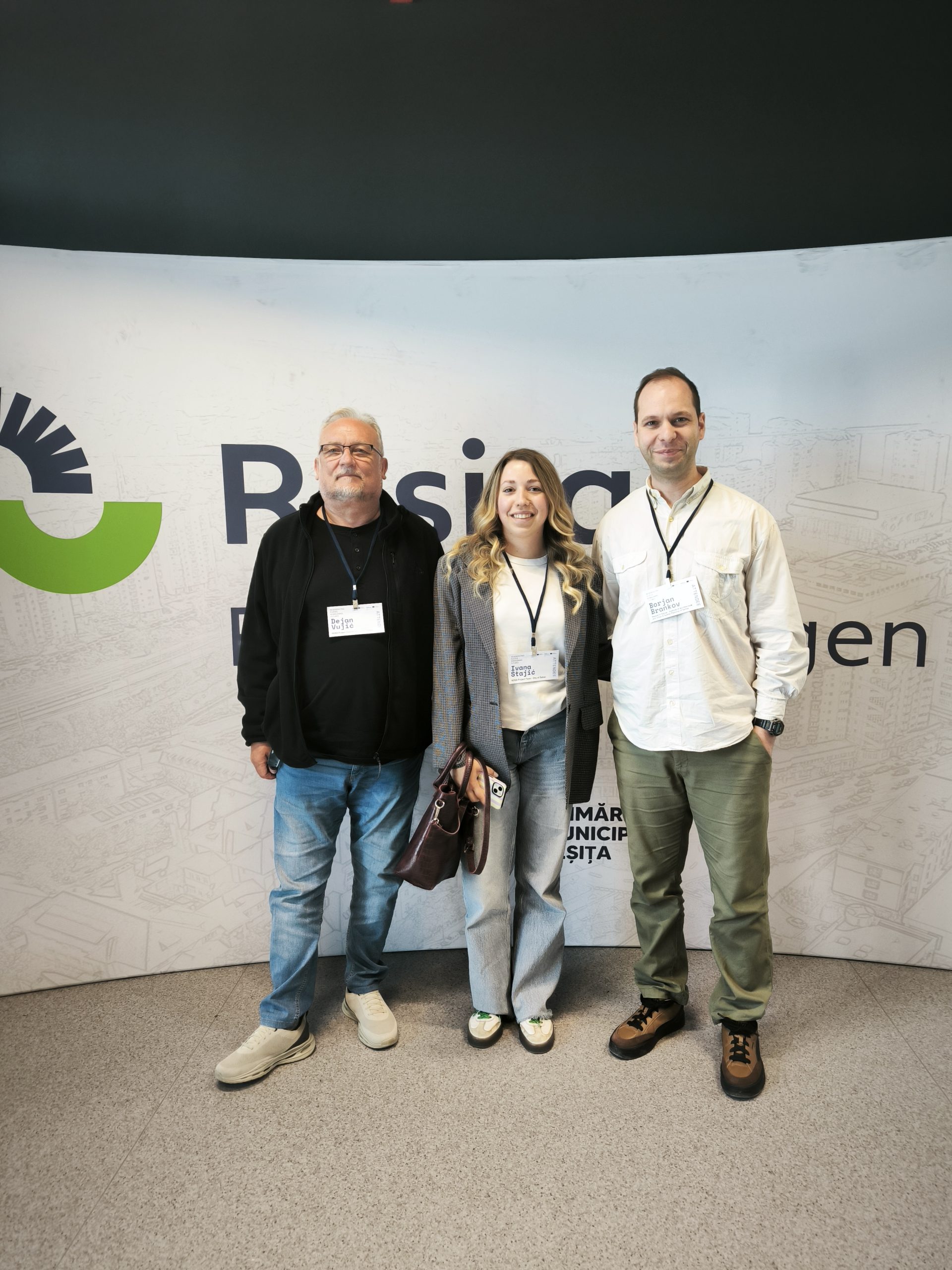
The participation of IAUS and representatives of the City of Šabac in this event represented an important contribution to the international exchange of knowledge in the fields of urban regeneration, participatory governance, and the development of methodological approaches for the sustainable transformation of degraded areas within the NONA project framework. The conference was particularly significant for strengthening international cooperation and facilitating the exchange of experiences among cities and institutions developing new governance and investment models in the context of sustainable urban development.